
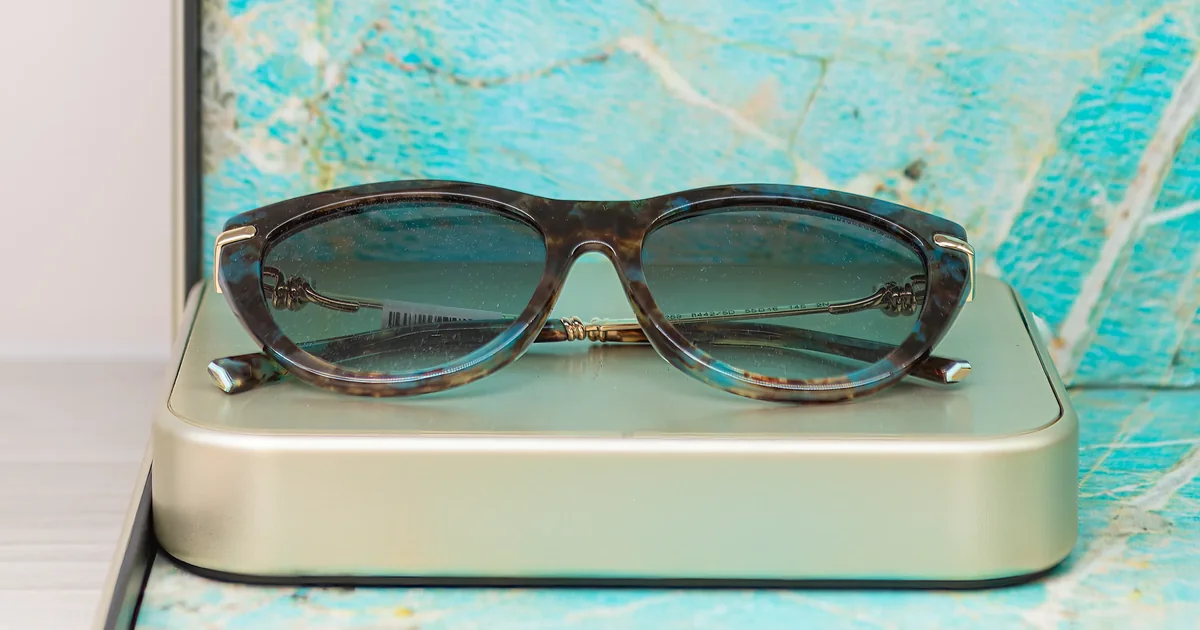
December is when many people in East Cobb and Marietta open a vision plan portal, glance at an FSA balance, or pick up an HSA card and pause. The question is usually practical, not stylistic: can you use FSA for glasses now, and what else might still be available on a vision plan before the year turns?
This guide is for that moment. It explains how leftover vision plan benefits differ from an FSA or an HSA, what the IRS says about glasses and exams, how HSA glasses funds generally work, what to check with your own plan, and how to walk into the East Cobb office prepared. The Kennesaw office is the second location if that schedule fits you better.
Plans differ. Some follow the calendar year, and some do not. Some flexible spending arrangements include a grace period or a limited carryover, and some do not. This article cannot tell you what your plan will pay. That answer belongs to your plan and your FSA or HSA administrator. Our insurance and payment page is a starting point for how Classic Vision Care works with benefits, and the team can verify your plan when you call or come in.
Table of Contents
- What are leftover vision plan benefits, and how do they differ from an FSA or HSA?
- Can you use an FSA for glasses this December?
- Can you use an HSA for glasses the same way?
- What should East Cobb patients check with their plan before a December appointment?
- How do vision insurance benefits and FSA or HSA funds work together?
- What should you bring to the East Cobb office in December?
- Key Takeaways
- Related Reading
- Sources
- Next Steps
What are leftover vision plan benefits, and how do they differ from an FSA or HSA?
"Leftover" here means benefits that are still available on your plan for the current plan year: an exam benefit you have not used, a frame or lens allowance that still has room, or a contact lens benefit that has not been applied. It does not mean that every plan works the same way, and it does not mean a blog can tell you a deadline.
A vision plan, an FSA, and an HSA are three different tools. Many patients have one, two, or all three. Mixing them up is one reason December visits feel confusing. The short version is that a vision plan is insurance, or another form of vision coverage, with its own rules, while an FSA and an HSA are accounts you use for qualified medical expenses, including many vision costs, according to IRS rules and your administrator.
HealthCare.gov describes vision coverage as a health benefit that at least partly covers vision care, such as eye exams and glasses. Some medical plans include a vision piece. Many adults have a separate vision plan through work or a family member's job. Classic Vision Care's insurance page explains that the office works with many major vision and medical plans in the Kennesaw and East Cobb area, and that the published list is not complete. Call the office to confirm your specific plan.
What does a vision insurance benefit usually include?
Vision insurance benefits often come in pieces. A common layout is a set of allowances or copays for a comprehensive exam, for frames, for lenses, and for contact lenses. Some plans also address prescription sunglasses or a contact lens fitting. The details vary widely.
Questions worth asking your plan, or asking the office to verify, include:
- Is my plan year the calendar year, or does it start on another date?
- Do I still have an exam benefit for this plan year?
- What remains on a frame allowance or a lens allowance?
- Can I use a frame benefit and a contact lens benefit in the same period, or does the plan require a choice?
- Does the plan treat prescription sunglasses as part of the frame and lens benefit, as a separate pair, or not at all?
- Do I need to stay in network, and is Classic Vision Care in network for my plan?
- Are there frequency limits, such as one pair of glasses in a 12-month period?
Those answers come from the plan, not from a general article. Two neighbors in East Cobb can have two different plan years and two different rules about glasses and contacts in the same year.
How is an FSA different from a vision plan?
An FSA is not a vision plan. HealthCare.gov describes a flexible spending account, also called a flexible spending arrangement, as an arrangement through your employer that lets you pay for many out-of-pocket medical expenses with money set aside before tax. The IRS uses the phrase flexible spending arrangement in Publication 969.
You elect an amount, usually during open enrollment. During the plan year you submit claims, or swipe an FSA card, for qualified medical expenses that are not paid by insurance. A vision plan may pay first, or it may not be involved at all. The FSA is about eligible expenses and the rules of that account.
Publication 969 also describes two plan-design options that matter in December. A health FSA plan can provide a grace period of up to two and a half months after the end of the plan year, so qualified medical expenses incurred in that period can be paid from amounts left at the end of the previous year. Or a plan may allow a limited carryover of unused amounts into the following plan year. A plan that adopts a carryover is not also permitted to provide a grace period. Your employer does not have to offer either option, and the plan may set a lower carryover than the IRS maximum for that year.
That is why this article does not assign a date to your funds and does not tell you what will happen if a balance is still sitting in the account on a given day. The only reliable method is to ask your FSA administrator what applies to your plan this year.
How is an HSA different from an FSA?
An HSA is a different kind of account. Publication 969 describes it as a tax-exempt trust or custodial account you set up with a qualified trustee to pay or reimburse certain medical expenses you incur. You generally need to be enrolled in a qualifying high-deductible health plan to contribute.
Two differences matter for a December glasses visit. First, HSA eligibility and contribution rules are their own subject; this post will not walk through those contribution tests. Second, the account itself is yours in a way an FSA usually is not. Publication 969 states that contributions remain in your account until you use them, that an HSA is portable and stays with you if you change employers or leave the work force, and that amounts that remain at the end of the year are generally carried over to the next year.
If you have been holding HSA funds for a pair of glasses, a contact lens supply, or an exam, December is not a special IRS deadline for those funds in the way people sometimes assume it is for an FSA. You still need a qualified expense, a current prescription when the item requires one, and records your administrator or the IRS may later want to see.
Can you use an FSA for glasses this December?
For many people, yes, glasses can be an eligible FSA expense, with conditions. The accurate way to say it is: the IRS treats eyeglasses and contact lenses needed for medical reasons, and eye examinations, as medical expenses, and FSA qualified medical expenses are generally those that would qualify for the medical expense deduction. Your own FSA may add documentation rules, and your administrator has the final word on a given receipt.
That is the core answer to "can you use FSA for glasses." The rest of this section is about what that includes, what it may not include, and what to confirm before you order.
What does IRS Publication 502 list for glasses and exams?
IRS Publication 502, Medical and Dental Expenses, is the reference the IRS points to for itemized medical expenses. FSA and HSA qualified expenses generally follow that same idea, as Publication 969 notes when it says qualified medical expenses are those specified in the plan that would generally qualify for the medical and dental expenses deduction.
Publication 502 is direct on the vision items most patients ask about:
- Eye exam: "You can include in medical expenses the amount you pay for eye examinations."
- Eyeglasses: "You can include in medical expenses amounts you pay for eyeglasses and contact lenses needed for medical reasons."
- Contact lenses: "You can include in medical expenses amounts you pay for contact lenses needed for medical reasons. You can also include the cost of equipment and materials required for using contact lenses, such as saline solution and enzyme cleaner."
IRS Topic no. 502 also lists "reading or prescription eyeglasses" and contact lenses among amounts that may count as medical expenses.
Two cautions belong next to those sentences. First, Publication 502 is about the itemized deduction on a tax return, which has its own threshold and is not the same process as an FSA reimbursement. The publication itself notes that its payment-year rule "is not the rule for determining whether an expense can be reimbursed by a flexible spending arrangement (FSA)." Second, "needed for medical reasons" is doing real work. A prescription pair that corrects your vision is the usual case. A purely decorative item, or a non-corrective fashion pair, may not qualify. When you are unsure, ask the administrator before you pay.
Publication 502 does not, in those lines, promise that every lens coating, every pair of non-prescription sunglasses, or every retail add-on is eligible. If you are considering a lens option and want to use FSA funds, ask the optical team for a clear, itemized receipt and ask your administrator whether that line qualifies.
Can FSA funds cover contacts and the supplies used with them?
Often they can, again with the same limits. Publication 502 includes contact lenses needed for medical reasons and names saline solution and enzyme cleaner as examples of materials required for using them. If you wear contacts, a December visit might include a contact lens exam, a new supply, and the solutions you use with the lenses.
Vision plans sometimes treat glasses and contacts as an either-or benefit for the same period. An FSA is a separate question. Even if a vision plan will not apply a glasses allowance and a contact lens allowance in the same year, an FSA may still be available for an eligible out-of-pocket amount. That is a "may," not a promise. Confirm both sides: the vision plan rule, and the FSA rule.
If contacts are part of the visit, our page on contact lens exams and the post on a yearly contact lens checkup in Cobb County explain what that exam is for. A benefits conversation does not replace a current, in-person evaluation of the lenses and the front surface of the eye.
What should you ask your FSA administrator before you order?
A short call or a portal message in early December can catch a documentation issue before you order. Useful questions include:
- What is my current available balance?
- What is my plan year, and does the plan include a grace period or a limited carryover?
- Do glasses, exam fees, contact lenses, and contact lens solutions qualify under this plan?
- Do I need a prescription on file, and how recent must it be?
- Will you accept an FSA card at the office, or do I submit a claim with a receipt?
- What must appear on the receipt? An itemized invoice is usually stronger than a card slip.
Keep the documentation. Itemized receipts that show the name of the person who received the service, the date, the provider, and the specific items or services are the records administrators and the IRS tend to want. A generic card receipt or a running balance statement is often not enough.
Classic Vision Care lists HSA and FSA cards among accepted payment methods on the insurance and payment page. Bring the card and a backup payment method, because a card decline at the desk is sometimes a plan rule, a category mismatch, or a balance issue rather than a problem with the office.
Can you use an HSA for glasses the same way?
In many cases, HSA glasses expenses follow the same IRS medical-expense idea as FSA glasses expenses. If the item or service is a qualified medical expense, and you have a balance, you can generally use the account. The plan documents and the trustee still control the details.
The practical difference is timing. An HSA is usually not built around a single plan-year window in the same way many FSAs are. That can make December feel less urgent for HSA funds. It does not make a current prescription, a careful receipt, or a real exam any less important.
What vision costs does an HSA generally cover?
Start with the same Publication 502 list: eye examinations, eyeglasses and contact lenses needed for medical reasons, and contact lens supplies such as saline solution and enzyme cleaner. Topic no. 502 also mentions reading or prescription eyeglasses.
Publication 969 adds that you can take a distribution from your HSA at any time, but only amounts used exclusively to pay for qualified medical expenses receive the tax treatment described in that publication. If you use HSA funds for something that is not a qualified expense, the tax treatment can change. This article is not tax advice. If you are unsure about a specific item, ask the HSA trustee or a qualified tax professional before you swipe the card.
For the visit itself, think in items rather than in a single "glasses" lump:
- The comprehensive exam, if you are due for one
- A contact lens exam, if you wear or want contacts
- Frames and prescription lenses
- Prescription sunglasses, if they are medically qualifying and you want a second pair
- A supply of contact lenses and the solutions required to use them
Our eyewear page describes how the optical team works through frames, lenses, and insurance questions, including the fact that coverage varies by plan and that the office will talk through allowances and any amount you pay yourself before you place an order. Our sunglasses page is the place to start if a second pair is part of the plan. Ask whether a given pair will be filled as a prescription and how your plan and your HSA treat it.
What happens to HSA funds that remain at the end of the year?
Publication 969 is the source to use here. It says the contributions remain in your account until you use them, and that amounts that remain at the end of the year are generally carried over to the next year. It also says an HSA is portable: it stays with you if you change employers or leave the work force.
That is a different design from a typical health FSA. It is also why this post treats FSA questions and HSA questions in separate sections. If your only account is an HSA, December can still be a reasonable month to use funds you already planned for glasses, especially if you want the exam and the optical order finished before travel or before a new work year starts. You do not need a blog to invent a year-end rule that the IRS does not state.
What should East Cobb patients check with their plan before a December appointment?
A prepared December visit starts a few days before you sit in the chair. The goal is to arrive knowing what the plan may still cover, what you may pay with an FSA or HSA card, and whether your prescription is current enough for an optical order.
If you are new to the practice, the East Cobb eye doctor page and the Marietta eye doctor page introduce the office at 3535 Roswell Road, Suite 8, in Marietta. The new patients page lists what to have with you on a first visit.
How do you find out what vision insurance benefits remain?
You can check three ways, and using more than one is wise.
First, log into your vision plan portal or read the most recent benefits summary. Look for the plan year, remaining exam eligibility, frame and lens allowances, contact lens benefits, and any note about sunglasses or frequency limits.
Second, call the plan or use its chat tools and ask the questions listed earlier. Write down the date, the name or reference number of the person you spoke with, and the answers. Portals and phone representatives sometimes disagree; a written note is useful at checkout.
Third, ask Classic Vision Care to verify the plan. The insurance page states that staff handle insurance verification and can determine benefits for comprehensive exams and eyewear. Verification is only as good as the information the plan returns, so bring your member ID and know which family member is the subscriber.
If you have both medical insurance and a vision plan, say so. Some visits are billed to vision, some testing may involve medical coverage, and the office can explain which path applies once it knows the reason for the visit.
Why does December timing matter for exams and glasses?
Two clocks are running, and they are not the same.
The benefits clock is your plan year and, if you have an FSA, the rules of that account. If your vision plan follows the calendar year, a December exam or optical order may still apply to this year's benefits. If your plan year ended in October, or starts in July, December may already belong to a new period, or it may still sit in the old one. That is why "What if your plan year is not the calendar year?" is a real question, not a technicality.
The optical clock is about the work itself. A comprehensive eye exam may include dilation, and your optometrist decides whether drops are needed and explains their purpose. If you are dilated, you may be sensitive to light, and your vision may be blurry for a while, so it is reasonable to bring sunglasses and to arrange a ride if you need one. After the exam, frames and lenses are often ordered and then made. Lab timing varies with the lens and the coatings. The office can tell you the current turnaround when you order. It cannot promise that a pair started in the last days of December will be ready on a date you choose.
If you want the exam, the frame selection, and the order all to fall in the same plan year, earlier in December leaves more room than the last week. That is a scheduling point, not a sales deadline.
What if your plan year is not the calendar year?
Then the word "December" on a calendar is not a reliable guide. A plan year can start on any date the employer or the carrier set. An FSA plan year can also differ from a vision plan year in the same household.
If your plan year begins on, for example, a mid-year date, leftover benefits in late November may already be gone, or they may still be available for several more months. The only way to know is to read the plan documents or ask the administrator. When you book, tell the staff your plan year if you know it, especially if you are trying to apply a benefit to a particular period.
Publication 969's grace period, when a plan offers one, is also tied to the plan year rather than to December 31. A grace period of up to two and a half months after the plan year ends would fall in different calendar months for a January plan year than for a July plan year. Do not assume your neighbor's timeline is yours.
How do vision insurance benefits and FSA or HSA funds work together?
They can complement each other, but they are not interchangeable, and the order of payment matters. Think of the vision plan as the benefit that may pay or allow a set amount for an exam or for eyewear, and think of the FSA or HSA as an account that may cover a qualified amount you still owe, or a qualified item the vision plan does not cover.
The office can walk through the numbers on your order once benefits have been verified. The administrator still decides whether a later claim is eligible.
What if you have both a vision plan and an FSA or HSA?
A typical pattern is:
- The office verifies the vision plan and explains the exam benefit and any eyewear allowance.
- You choose frames and lenses, or a contact lens supply, with a clear sense of what the plan may cover.
- Any remaining qualified amount may be paid with an FSA or HSA card, or later reimbursed if you paid another way and submit a claim.
Typical is not universal. Some people have only an FSA or only an HSA and no vision plan. Some have a vision plan and no account. Some have an HSA and need to be careful about other coverage rules that affect HSA eligibility; that is a question for the trustee or a tax professional, not something this post will try to settle.
If you are paying with both a vision plan and an account, ask for an itemized receipt that separates the exam, the frames, the lenses, and any supplies. That record is for you and for the administrator, not only for the office file.
Do not assume that a lens upgrade, a second pair, or a non-prescription item will pass through both systems. Check each item. Our guide to choosing glasses frames is useful when you are deciding what you need, and it is separate from the benefits question.
Can family members use these benefits in the same month?
Sometimes. Vision plans often cover a spouse and eligible children, each with their own exam frequency and their own eyewear benefit. An FSA, HealthCare.gov notes, can be used for certain medical expenses for you, your spouse if you are married, and your dependents. Publication 969 describes qualified medical expenses as including those incurred by the persons the plan specifies, generally in line with the medical expense deduction rules.
That still leaves homework. Confirm who is covered, who is the subscriber, and whether a child's exam and glasses will apply to this plan year. If you want to schedule more than one person at the East Cobb office, call so the staff can look for appointment times that work back to back. The insurance page notes that families often schedule together.
Bring each person's insurance information, current glasses or contacts, and, for children, notes about classroom seating, screen time, or a teacher concern. The visit is still an exam, not only a benefits errand.
What should you bring to the East Cobb office in December?
The East Cobb office is at 3535 Roswell Road, Suite 8, Marietta, GA 30062. The phone number is (678) 560-8065. You can book an East Cobb appointment online, or call if you need a time that is not showing or if you want family members booked together.
If the East Cobb schedule does not fit, the second office is in Kennesaw at 1615 Ridenour Boulevard, Suite 201, Kennesaw, GA 30152, at (770) 499-2020. The Kennesaw eye doctor page and the locations page have the same standing hours listed below. You can book a Kennesaw appointment the same way.
How do the two Cobb County office schedules differ in December?
Standing hours, as listed on the practice site, are:
- East Cobb: Monday and Wednesday 8 a.m. to 5 p.m.; Tuesday and Thursday 9 a.m. to 6 p.m.; closed Friday, Saturday, and Sunday.
- Kennesaw: Tuesday and Thursday 9 a.m. to 6 p.m.; Wednesday and Friday 8 a.m. to 5 p.m.; Saturday 10 a.m. to 2 p.m.; closed Sunday and Monday.
Holiday hours can differ from the standing schedule. Thanksgiving week is a good example of why a call matters. Under the standing hours, East Cobb is closed Friday through Sunday, so the days after Thanksgiving are closed at that office. The Kennesaw standing schedule includes Friday and Saturday hours. None of that is a promise about a particular holiday date. Call either office, or check when you book, before you travel over.
December calendars also fill. If you need an exam and an optical order to fall in the same plan year, book the exam first and leave time after the visit for the lab work.
What belongs on your December appointment list?
Bring more than your calendar reminder:
- Photo ID
- Vision and medical insurance cards, plus member IDs
- FSA or HSA card, if you plan to use one, and a backup payment method
- Current glasses and, if you wear them, your contact lenses and the lens brand and prescription if you have it
- A list of medicines and any eye drops you use
- Notes about changes in vision, glare, headaches, or screen work
- For a first visit, any recent records you have from a prior eye doctor
If you might be dilated, bring sunglasses and a plan for the trip home. If you are coming for glasses and you already have a current prescription from this practice, tell the scheduler when you book so the team can plan an optical visit rather than a full exam you may not need that day. If the prescription is from another office, ask whether it can be used and how recent it must be.
New to the area? The post on what a new-patient exam looks like after a move to Kennesaw or East Cobb walks through a first comprehensive exam in more detail.
When is a benefits appointment the wrong reason to come in?
A December benefits visit is a poor substitute for urgent care. If you have sudden vision loss, a new curtain or shadow across your vision, a sudden increase in flashes and floaters, or severe eye pain, seek immediate care rather than waiting for a routine opening. A chemical splash is also an emergency: remove contact lenses if you wear them, rinse with plenty of room-temperature water for at least 15 to 20 minutes, then call Poison Control at 1-800-222-1222, and get emergency care after rinsing if the injury is severe.
Those situations are about the eye, not about a plan year. Book the routine benefits visit after you are safe.
A benefits visit is also the wrong frame if you have not had a comprehensive exam in the interval your optometrist recommended and you are only trying to reorder glasses from an old prescription. Ask whether you are due for an exam. The optical team needs a prescription that is still valid for the order you want. That is a clinical call, not a billing call.
Key Takeaways
- Leftover vision plan benefits, FSA funds, and HSA funds are different tools. Check each one rather than assuming they follow the same calendar.
- The IRS, in Publication 502 and Topic no. 502, lists eye examinations and eyeglasses and contact lenses needed for medical reasons among medical expenses, and it includes certain contact lens supplies. That is the usual basis for FSA and HSA eligibility, subject to your plan.
- You can often use FSA for glasses, with documentation and administrator approval. Ask about your balance, your plan year, and whether the plan uses a grace period or a limited carryover. Do not rely on a general year-end claim.
- HSA contributions remain in the account until you use them, and amounts that remain at the end of the year are generally carried over, according to Publication 969. An HSA is also portable if you change jobs.
- Vision plans vary on frame and lens allowances, contact lens benefits, sunglasses, and whether glasses and contacts can be used in the same period. Verify before you order.
- December timing matters for two reasons: your plan year, and the time an exam and an optical order actually take. Earlier in the month leaves more room.
- The East Cobb office is at 3535 Roswell Road, Suite 8, Marietta, GA 30062, (678) 560-8065. The Kennesaw office is the second location, at 1615 Ridenour Boulevard, Suite 201, (770) 499-2020. Confirm hours around holidays.
- Bring insurance cards, an FSA or HSA card if you will use one, current glasses or contacts, and a backup payment method. Ask for an itemized receipt.
- Sudden vision changes, severe eye pain, or a chemical splash are not reasons to wait for a benefits appointment.
Related Reading
- Insurance and payment options
- Eyewear and optical
- Your eye doctor in East Cobb
- Your eye doctor in East Cobb and Marietta
- What a new-patient exam looks like if you just moved to Kennesaw or East Cobb
- Yearly contact lens checkup in Cobb County
- What to expect from a comprehensive eye exam
Sources
- Internal Revenue Service, Publication 502 (2025), Medical and Dental Expenses. Eye examinations, eyeglasses and contact lenses needed for medical reasons, and contact lens supplies such as saline solution and enzyme cleaner. https://www.irs.gov/publications/p502
- Internal Revenue Service, Topic no. 502, Medical and dental expenses. Lists reading or prescription eyeglasses and contact lenses among amounts that may count as medical expenses. https://www.irs.gov/taxtopics/tc502
- Internal Revenue Service, Publication 969. HSA definition, contributions remaining in the account until used, amounts remaining at year end generally carried over, and health FSA grace period or limited carryover (a plan may not offer both). https://www.irs.gov/publications/p969
- HealthCare.gov, Flexible Spending Account (FSA) glossary. Describes an employer FSA and notes that an employer may offer a grace period or a carryover, not both. https://www.healthcare.gov/glossary/flexible-spending-account-fsa/
- HealthCare.gov, Vision coverage glossary. Defines vision coverage as a benefit that at least partly covers vision care, such as eye exams and glasses. https://www.healthcare.gov/glossary/vision-or-vision-coverage/
This article is for informational purposes only and does not constitute medical, tax, legal, or insurance advice. It does not replace a conversation with your eye care professional, your plan, your FSA or HSA administrator, or a qualified tax professional. Please consult with an eye care professional for diagnosis and treatment.
Next Steps
If you want to use leftover vision plan benefits, FSA funds, or HSA funds for an exam or for glasses this December, start with your plan documents, then book the office that fits your week.
For East Cobb and Marietta, book at Classic Vision Care, 3535 Roswell Rd Suite 8, Marietta, GA 30062, or call (678) 560-8065.
For Kennesaw, book at Classic Vision Care, 1615 Ridenour Blvd Suite 201, Kennesaw, GA 30152, or call (770) 499-2020.
