
What is Intense Pulsed Light Treatment for Dry Eye Disease?
Intense pulsed light (IPL) is a dry eye light therapy that uses pulses of light on the skin below the eyes to help oil glands in the eyelids work better. IPL is used for dry eye caused by meibomian gland dysfunction (MGD), also called evaporative dry eye, where clogged oil glands let tears dry out too fast.
IPL is done in the office. Side effects are usually skin reactions such as redness or swelling. This guide explains how IPL works, what the research shows, side effects, and who is a good candidate.
How is intense pulsed light (IPL) used to treat dry eyes?
IPL treatment targets dry eyes stemming from meibomian gland dysfunction with pulses of light on the skin below the eyes. Researchers think the light warms the area and melts thickened oil in the glands, and may also calm small inflamed blood vessels near the eyelids. This liquefaction facilitates easier expression of these oils, improving the quality and quantity of the tear film.
Research suggests IPL can help dry eyes caused by meibomian gland dysfunction. A 2020 review in The Ocular Surface reported that IPL can improve tear stability, oil gland function, and the feeling of dryness, while noting that studies varied widely in how they were run. Benefits can fade over time, so some patients need maintenance sessions.
If you want to know whether IPL is a fit for your symptoms, start with a dry eye evaluation in Kennesaw or view the East Cobb / Marietta dry eye page to choose the location that fits your schedule.
Does IPL completely treat meibomian gland dysfunction?
The IPL procedure for dry eyes aims to help meibomian gland dysfunction by loosening thickened oil in blocked glands, but it does not provide a complete cure. MGD is often a chronic condition requiring ongoing management. IPL can improve gland function and tear film stability for some people, but results vary and the benefits can fade over time. Repeat treatments may be needed, along with the rest of your dry eye treatment plan.
How long does IPL treatment for dry eyes take to work?
The timeline for experiencing results from IPL treatment for dry eyes varies depending on individual factors and the severity of the condition. Some people notice improvement quickly, while others feel changes after a few sessions.
Factors such as the extent of meibomian gland dysfunction, overall eye health, and adherence to post-treatment care protocols can influence treatment outcomes. Some patients may require additional sessions to achieve maximum benefit, especially if MGD is severe or if there are underlying contributing factors.
Overall, IPL is one option in a dry eye treatment plan for MGD, not a stand-alone cure. Results are not immediate and vary from person to person, so your eye doctor checks how your eyes respond after the treatment series and adjusts the plan.
Does IPL treatment do any damage to the eyes long term?
While IPL treatment is generally considered safe, there are risks associated with the procedure, particularly if not administered correctly by a trained professional. Improper application or settings can lead to potential side effects, including temporary discomfort, redness, or swelling around the eyes. Possible side effects are mostly skin reactions such as redness, swelling, blistering, temporary skin color changes, or burns. Full eye protection is required during every session. Therefore, it’s crucial to ensure IPL treatment is conducted by a qualified practitioner experienced in ocular procedures to minimize the risk of adverse effects. As with any medical procedure, individuals considering IPL should discuss potential risks and benefits with their healthcare provider beforehand.
What is the IPL Procedure to treat dry eye disease like?
During an IPL treatment session for dry eyes, several steps are involved to ensure safety and efficacy:
- First, the patient’s eyes are carefully examined to assess their condition and determine the appropriate settings for the IPL device. Your eyes are fully covered with protective eye shields or goggles for the whole treatment.
- The treatment area is then cleansed to remove any makeup or debris. A cooling gel may be applied to enhance comfort and protect the skin.
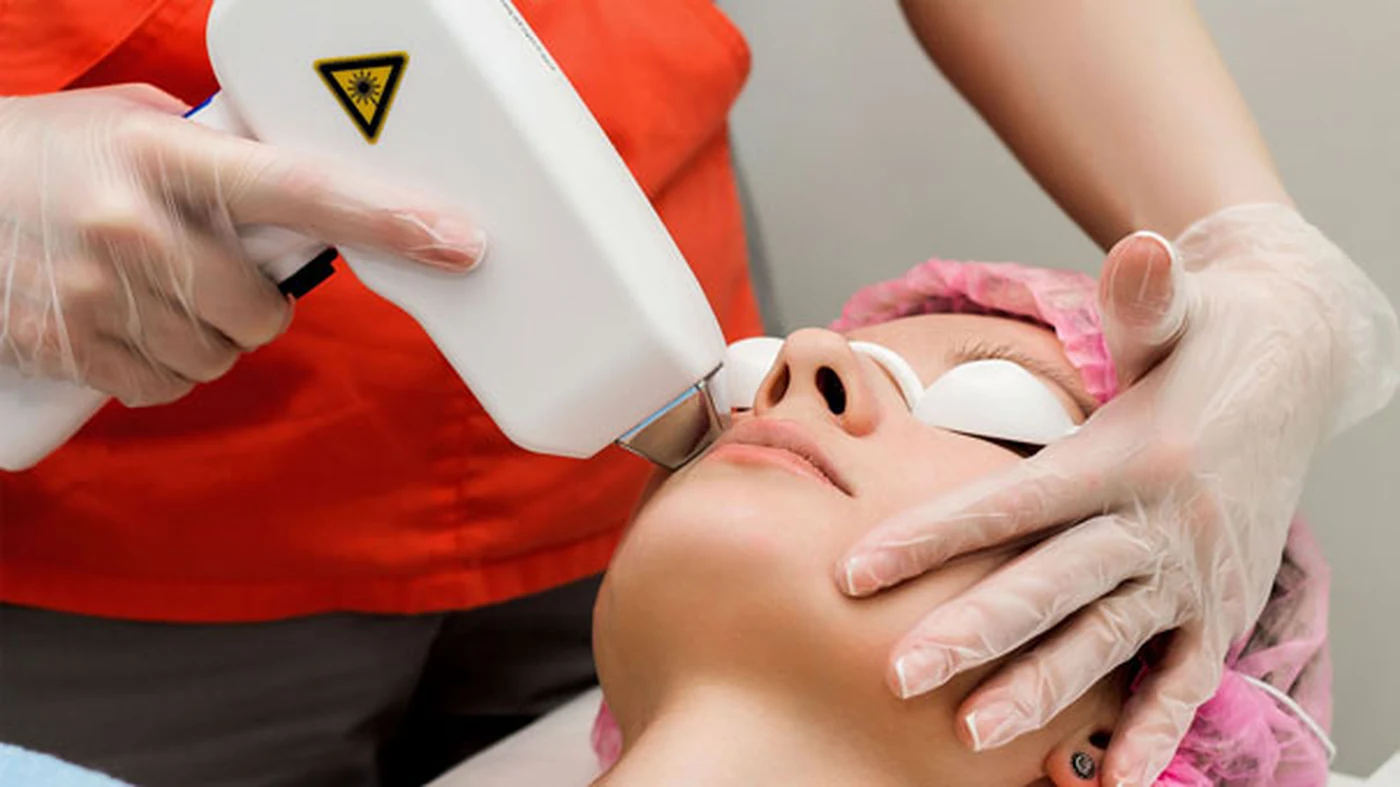
- The IPL device sends pulses of light onto the skin of the cheeks and nose, below the eyes. The eyes and eyelids stay fully covered. The light energy heats the glands, liquefying hardened oils and improving their function. Throughout the procedure, the patient may feel a warm sensation or slight discomfort, but it should be tolerable.
- After the treatment, any remaining gel is removed. It’s essential to follow post-treatment care instructions, which may include sun protection for 48 hours and using lubricating eye drops as needed.
Book a consultation for IPL in Georgia to Treat Your Dry Eyes
Ready to experience relief from dry eyes? Don’t wait any longer to take the next step towards improved eye health and comfort. Schedule a consultation with one of our experienced eye care professionals at Classic Vision Care.
Classic Vision Care’s team is dedicated to providing personalized care and effective treatments, including IPL therapy, to help you manage dry eye symptoms. Learn more about our eye doctors and book a consultation today.
What is dry eye light therapy (IPL), and is it a laser treatment?
Intense pulsed light (IPL) is a dry eye light therapy for meibomian gland dysfunction (MGD). The meibomian glands line the eyelid edges and make the oil layer of your tears. When that oil thickens, it clogs the glands instead of joining the tear film, the thin layer of tears over your eye [3]. Dry eye from MGD is also called evaporative dry eye [1].
Dry eye light therapy is not a laser. Many people search for dry eye laser treatment, but IPL is not a laser: a flash lamp sends out a broad spectrum of light [2][3]. The light warms the glands and helps melt thickened oil [3], though the exact way it works is not fully known [4].
What the FDA authorized. In 2021, the FDA granted a De Novo authorization, its path for a new type of device, to an IPL device for improving signs of dry eye due to MGD [1]. It covers adults 22 and older with moderate to severe dry eye from MGD [1]. IPL is meant to be used along with other care, such as gland expression (gently pressing oil out of the eyelid glands), artificial tears, and warm compresses [1].
What the evidence shows. In the FDA trial, four sessions two weeks apart, each with gland expression, kept tears stable longer than a sham treatment did [1]. Symptom scores improved in both groups without a significant difference [1]. A 2024 review of 13 randomized trials found IPL probably eases dry eye symptoms compared with placebo, but its added benefit on top of standard care is still unclear [2]. Benefits can fade over months [4].
Who is and is not a candidate for dry eyes IPL. The authorized use is for skin types I to IV on the Fitzpatrick scale, which rates skin from lightest (I) to darkest (VI) [1]. Darker skin types V and VI fall outside that authorization, so your eye doctor checks your skin type before recommending dry eyes IPL [1]. Some medicines and health conditions that make skin sensitive to light can also rule IPL out [2].
Eye shields and sun safety. The light goes on the skin of the cheeks and nose, not the eyes or eyelids [1]. Your eyes stay fully covered with eye shields or goggles for the whole treatment [1]. Possible side effects are mostly skin reactions, such as redness, swelling, blistering, burns, or temporary color changes, and IPL can trigger a cold sore flare-up [1]. Sun protection is advised for 48 hours afterward [4].
IPL at Classic Vision Care. Classic Vision Care, founded by Dr. Mital Patel, OD, offers IPL as part of a dry eye treatment plan. Start with a dry eye evaluation at our Kennesaw or East Cobb office; IPL treatment sessions are performed at our Kennesaw office. We will check your eyelids and tears and tell you whether IPL fits your eyes.
Related reading: dry eye disease, dry eye light therapy, dry eye treatment plan, warm compresses.
Sources
- U.S. Food and Drug Administration, "De Novo Classification Request for Lumenis Stellar M22" (DEN200028; granted Feb. 23, 2021)
- Peira N, et al., "Effectiveness and safety of intense pulsed light therapy for dry eye symptoms due to meibomian gland dysfunction: A systematic review and meta-analysis," Acta Ophthalmologica (published online Nov. 29, 2024)
- Suwal A, et al., "Use of Intense Pulsed Light to Mitigate Meibomian Gland Dysfunction for Dry Eye Disease," International Journal of Medical Sciences (June 2020)
- American Academy of Ophthalmology, EyeWiki, "Intense Pulsed Light (IPL) Therapy" (last updated Oct. 2026)
