Myopia in Children
Understanding Nearsightedness in Kids
Looking for myopia in children? We help families protect long-term eye health with proven myopia management options. You will leave with a clear plan, follow-ups that make sense, and support along the way.
- Myopia management options for real family routines
- Clear milestones and follow-ups you can track
- Support for kids, teens, and parents
Quick Summary
- About 42% of Americans are now nearsighted, up from 25% in the 1970s — childhood myopia is increasing
- Early intervention can slow myopia progression and reduce risk of future eye conditions
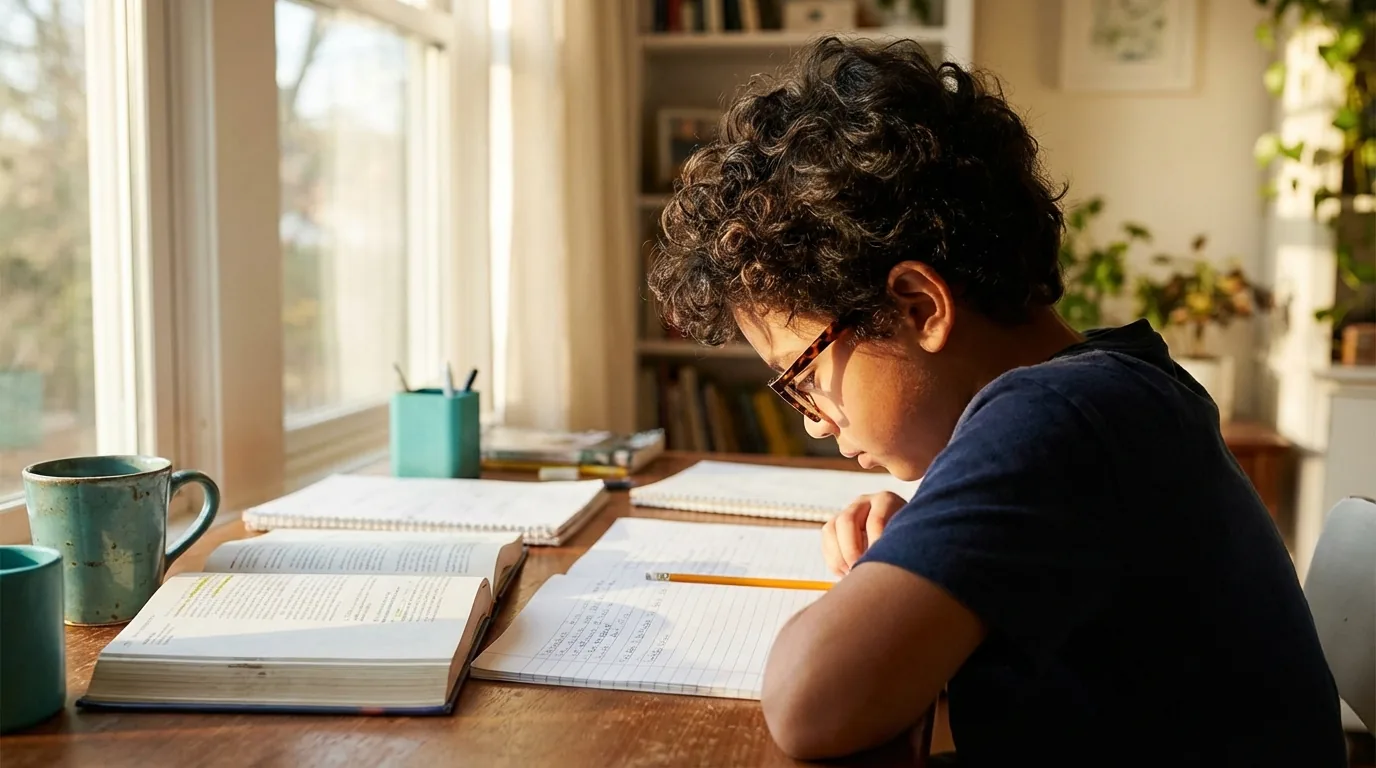
- Signs include squinting, sitting close to screens, and difficulty seeing the board at school
- Kennesaw and East Cobb/Marietta — book online or call (770) 499-2020
Last reviewed:
Signs of Myopia
Many children with myopia do not realize they cannot see clearly because they have never experienced normal vision. As parents, you may notice these warning signs that your child needs an eye exam at our Kennesaw or East Cobb office:
- • Squinting to see the board, TV, or distant objects (squinting temporarily improves focus)
- • Sitting unusually close to screens, books, or tablets
- • Frequent headaches, especially after school or visual activities
- • Difficulty recognizing faces or reading signs from a distance
- • Declining grades or loss of interest in sports and outdoor activities
- • Excessive eye rubbing or complaints of tired eyes
- • Holding reading material very close to the face
Why Early Care Matters
Myopia usually progresses fastest in childhood and early teen years. Catching it early gives you more options and more time to slow changes over time. At Classic Vision Care, we track prescription changes and visual development and create a plan that fits your child’s age, lifestyle, and comfort.
See treatment options →Myopia Control Options
At Classic Vision Care, we offer every FDA-approved and evidence-based myopia control treatment. During your child's consultation at our Kennesaw or East Cobb location, our doctors will recommend the best option based on your child's age, prescription, lifestyle, and rate of progression. Many families combine treatments for maximum effectiveness.
Everyday Support
Small Habits That Can Help
Myopia control is not only about lenses or drops. Daily habits can support visual comfort and may help reduce the “all-day near work” pattern many kids fall into.
- Outdoor time: Encourage daily time outside when possible.
- Breaks from screens: Short, regular breaks can reduce eye strain.
- Work distance: Keep reading and tablets a comfortable distance from the face.
- Good lighting: Make sure homework and reading areas are well lit.
- Consistent sleep: A well-rested routine can support better focus and fewer “tired eye” complaints.
These habits are supportive, not a substitute for treatment when myopia is progressing quickly. We’ll help you understand which changes are worth prioritizing for your child.
Not Sure Where to Start?
The best first step is a child’s eye exam that includes a myopia risk and progression conversation. We’ll help you understand what’s changing and which options are realistic for your child.
If your child's prescription is changing quickly, you can review local treatment options on our Kennesaw myopia control page or our East Cobb / Marietta myopia control page.
Myopia in Children FAQs
Simple answers to common questions from parents.
Is myopia the same as needing glasses?
Glasses correct blurry distance vision. Myopia control focuses on slowing how quickly the prescription changes over time.
When should we consider myopia control?
If your child’s myopia is progressing, it’s worth a conversation. Earlier intervention often gives more options.
Will my child still need glasses?
Many kids still use glasses at times. The goal is to reduce the rate of progression and support long-term eye health.
Which treatment is best?
It depends on age, prescription, lifestyle, and comfort. We’ll walk through options and recommend what fits your child.
Details That Matter
A more helpful guide to Understanding Nearsightedness in Kids
Myopia can progress quickly during childhood, and each year matters. Myopia control is about more than seeing the board at school. It is a proactive plan designed to slow the changes that can lead to stronger prescriptions over time.
We look at your child’s prescription, eye measurements, and daily habits, then recommend options that fit your family. Some kids thrive with contact lenses, while others do better with drops or a combination approach. Comfort, maturity, and routines all matter.
The most helpful plans include clear milestones. We set expectations, schedule follow-ups, and adjust as needed so the treatment stays effective and practical.
Quick ways to get more value from your visit
- Bring your child’s current glasses and share any prior prescriptions if you have them.
- Talk with us about screen time, outdoor time, and reading habits. These factors matter.
- Expect follow-ups. Myopia control works best when we track changes over time.
- Ask about combining treatments when appropriate, such as contacts plus supportive habits.
Two convenient locations in Kennesaw and East Cobb/Marietta. Call if you want help choosing the best appointment type.
Common questions
Clear answers help you move forward with confidence.
At what age should we start myopia control?
Earlier is often better, especially when a child’s prescription is changing. We will confirm candidacy and recommend options that fit your child’s maturity and lifestyle.
Will my child still need glasses?
Some children still wear glasses at times, even with contacts or other treatments. We will make sure your child has clear, comfortable vision for school and activities.
How often are follow-ups?
We schedule follow-ups to monitor progress and make sure treatment remains comfortable and effective. The exact cadence depends on your child and the treatment chosen.
Is there one best treatment?
There is not one universal answer. We will compare options like MiSight, Ortho-K, atropine, and multifocals, then help you choose what fits your family.
Do habits really matter?
Yes. Outdoor time and smart screen habits can support the care plan. We will share realistic changes that fit a busy family schedule.
Is myopia control safe for active kids?
We match the option to the child. Many kids do very well with contacts for sports, while others prefer glasses or drops. We will discuss safety, hygiene, and what fits your child’s routine.
Does myopia control replace glasses?
Not always. Some options still require glasses at times. The goal is clear vision and slowing progression, not necessarily eliminating glasses completely.
How do we know it is working?
We monitor prescription changes and eye measurements at follow-ups. The trend over time is what matters, and we adjust if a different approach would be more effective.
What if my child is not ready for contacts?
That is common. We can discuss atropine or other strategies and revisit contact lenses later. Consistency matters more than forcing one option.
How do we know it is working?
We monitor prescription changes and eye measurements at follow-ups. The trend over time matters, and we adjust if a different approach would be more effective.
Take the Next Step
Do not wait until your child's prescription keeps climbing year after year. The earlier you start myopia control, the more effectively we can protect your child's long-term eye health. Classic Vision Care has worked with many Kennesaw and Marietta families on myopia management plans. Schedule a myopia evaluation today and take a proactive step for your child's eye health.
Book a Myopia Consultation