
Moving boxes stack in the garage. The school forms are half filled. Your last eye doctor is now three states away. A new ZIP code in Kennesaw or East Cobb / Marietta is a good moment to reset eye care, not a reason to stretch an old pair of glasses until something breaks. A new-patient visit at Classic Vision Care is a comprehensive eye exam with a doctor of optometry. It is not a hallway screening. It is not a copy of last year's prescription into a new frame. It is the first full look at how your eyes work in this life, on these roads, under this light.
This article stays on one job: what a new-patient exam looks like if you just moved to Kennesaw or East Cobb. It is not a rewrite of our night-driving glare post. It is not a school-screening guide. It is the practical walkthrough for adults and families who need a local optometrist, a current prescription, and a clear plan for when to come back.
Table of Contents
- Why book a new-patient exam after you move?
- What should you gather before the first visit?
- How do you choose Kennesaw versus East Cobb?
- What happens during a comprehensive new-patient exam?
- Will dilation be part of a first visit after a move?
- How do old prescriptions, contacts, and insurance fit in?
- What should you plan for after the exam?
- Key Takeaways
- Related Reading
- Sources
- Next Steps
Why book a new-patient exam after you move?
A move resets more than your mailing address. It resets who holds your records, who can renew a contact lens supply, and who you call when a child fails a school form or a new headlight glare shows up on Barrett Parkway. The American Optometric Association treats periodic comprehensive exams as part of preventive care because many eye and vision problems have no obvious early signs. Waiting for blur that you cannot ignore is a late strategy.
If your last exam was in another city, that chart does not travel with you by default. You can request records. You should still expect a full local exam. A doctor of optometry in Cobb County needs current measurements, not only a PDF from 2023. Distance acuity, near work, binocular status, and eye health can all change with age, medicines, screen load, and pregnancy or diabetes history. The move is the calendar cue. The exam is the filter.
Is a vision screening at work or at school enough after a move?
No. A screening is a coarse pass-or-refer step. It is not a substitute for a comprehensive exam. Our separate guide on school vision screening versus a kids eye exam in Cobb County covers pediatric Form 3300 questions. Adults face the same trap in a different jacket: a workplace wall chart, an online refraction app, or a quick store machine that prints a number. Those tools can flag a problem. They do not examine the inside of the eye or sort binocular issues that matter on I-75 at dusk.
How soon after unpacking should you book?
Book in the first months if you wear glasses or contact lenses, if anyone in the house is due for an annual visit, or if vision has changed since the last exam. Book sooner if you have diabetes, a family history of glaucoma, new floaters or flashes, eye pain, sudden vision loss, or double vision. This list is not a diagnosis. It is a reason to call rather than wait for "settled in."
If you feel fine and your last comprehensive exam was recent, still open a local chart. The American Optometric Association's public adult guidance stresses regular in-person exams even when vision seems stable, because problems can develop without clear symptoms. See how often you should have an eye exam for timing language in clinic form, and why regular eye exams matter at every age for the broader case.
Does a new Georgia address change what the exam covers?
The clinical core does not change because you crossed a county line. History, acuity, refraction, binocular assessment, and eye-health evaluation still belong in a comprehensive visit. What changes is context: new commute lighting, new pollen load, new school and work screens, new primary-care doctors, and new insurance cards. Tell the optometrist what is different here. That history is part of the exam, not small talk.
What should you gather before the first visit?
Treat the week before the appointment as logistics, not self-diagnosis. The new patients page is the right starting point so the front desk has insurance and basic history before you sit down. Bring what you can. Do not cancel the visit because one document is missing.
Which documents and devices belong in the bag?
- Photo ID and current medical and vision insurance cards, plus any secondary coverage.
- A list of medicines and supplements, with doses written the way you take them. Do not change a medicine because of an eye complaint without talking to the prescribing clinician.
- Your current glasses, including a separate computer pair if you use one.
- Contact lens boxes or blister packs that show brand, base curve, and power.
- The most recent prescription printout if you still have it, even if the date is old.
- Prior records if you already requested them, or the phone and fax number of the last office so we can request them with your permission.
- A short note about symptoms: when they started, which eye, night versus day, screens versus distance, and any new headaches around vision tasks.
- For kids: school forms that need a signature, and a parent or guardian who can consent and answer history questions.
That bag is more useful than a screenshot of an online "eye test." Online numbers do not replace a refraction done in clinic, and they do not examine eye health.
Should you wear contacts or glasses to the visit?
Wear what you use most days, then bring the other pair. If the doctor needs a contact-free refraction or a corneal measurement, staff will tell you how long to leave lenses out. Asking when you book saves a second trip. If you sleep in lenses or stretch replacement schedules, say so honestly. That history changes how the ocular surface looks. It is not a lecture topic. It is data.
What if prior records never arrive?
The exam can still proceed. Missing records are common after a move. The doctor will build a new baseline. When records arrive later, they add context for progression, prior diagnoses, and past treatments. They do not replace today's measurements. Do not delay booking while you wait on another state's office to mail a chart.
How do you choose Kennesaw versus East Cobb?
Both offices provide comprehensive optometry care. Pick the office you can reach on a day you can actually sit for the visit, including possible dilation time afterward. Hours differ, and that difference matters more than which lobby photo you like.
What are the live hours and phones for each office?
Kennesaw is at 1615 Ridenour Blvd Suite 201, Kennesaw GA 30152, (770) 499-2020. It is closed Monday and open Saturday 10am to 2pm. East Cobb is at 3535 Roswell Rd Suite 8, Marietta GA 30062, (678) 560-8065. It is open Monday and closed Friday. Confirm holiday hours when you book. Schedules can change; the phones and the book-now links are the live path.
If you are coming from Acworth, west Cobb, or the Ridenour corridor, Kennesaw is usually simpler. If you live closer to Roswell Road in Marietta or the East Cobb side of the county, use East Cobb. If someone else must drive you after dilation, choose the office nearer to that person's work or home. Do not book both offices for the same complaint.
Who will you see?
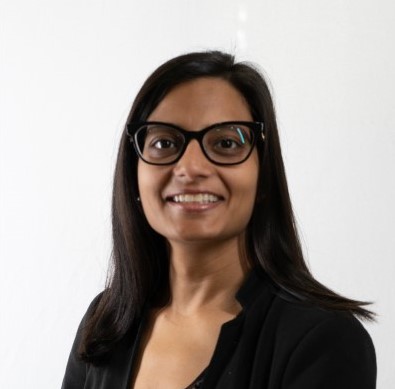
Dr. Mital Patel, OD and Dr. Sonya Okungu, OD are doctors of optometry at Classic Vision Care. Author attribution for this post is Dr. Mital Patel, OD. Either doctor may see a new-patient comprehensive exam depending on the calendar. You are booking optometry care with ODs, not MD specialty titles.
Local landing pages for eye doctor in Kennesaw and eye doctor in East Cobb summarize office context. The exam itself is the same job in both chairs: measure vision, check eye health, and explain next steps in plain language.
How do you book without using a dead link?
Use Eye Cloud Pro on the live book-now paths for Kennesaw and East Cobb on classicvisioncare.com. Do not use older booking paths from outdated pages that return a 404. If the scheduler is full for the week you need, call the office. Phone booking is still normal for new patients with form deadlines or contact lens supply running out.
What happens during a comprehensive new-patient exam?
A comprehensive new-patient exam is still a full exam. It is not a glasses-only refraction and not a single machine printout. The American Optometric Association describes a comprehensive adult eye and vision examination as a set of tests that may include patient history, visual acuity, preliminary tests, refraction, eye-health evaluation, and additional testing when first findings call for it. Our page on what to expect from a comprehensive eye exam walks through those pieces in clinic language. This section translates that flow for someone who just moved.
What does the history cover on a first visit?
Expect questions about current blur, headaches, eye pain, dryness, floaters, flashes, double vision, and night driving. Expect questions about general health: diabetes, blood pressure, autoimmune disease, thyroid disease, pregnancy, and medicines. Expect family history of glaucoma, macular disease, and other eye conditions. Expect work and hobby detail: screens, welding, sports, or a new Cobb County commute. If allergies flared after you moved to Georgia, say that. If computer eye strain got worse in a new hybrid job, say that. History is half the exam.
How is clarity measured?
Visual acuity checks how clearly each eye sees at distance and near, often with chart letters. Results are written as a fraction such as 20/20 or 20/40. The American Optometric Association explains that the top number is the test distance and the bottom number is the letter size you reached. Acuity alone does not finish the visit. It starts the map.
Refraction finds the lens power that sharpens focus. You will compare choices in a phoropter or with trial lenses. Say which option is clearer. There is no prize for guessing. If neither option helps, that is useful information too. Contact lens over-refraction may follow if you wear soft or specialty lenses.
What else gets checked besides the prescription?
Preliminary and binocular tests look at how the eyes aim, move, and work together. Depth, eye muscle balance, and focusing flexibility matter for reading, driving, and screens. Eye-health evaluation looks at the front surface, the lids, the tear film, the lens inside the eye, the optic nerve, and the retina. Pressure measurement is common when screening for glaucoma risk. None of these steps is a diagnosis you should announce to yourself in the waiting room. The doctor interprets them together.
If dry eye symptoms are part of the move story, say whether air conditioning, pollen, or long screen days dominate. Treatment talk comes after findings, not before. This article will not name in-office device menus by location. Device availability can change. The exam decides what is appropriate. See dry eye treatment for the practice overview page.
How long should you block on the calendar?
Plan for a full visit, not a fifteen-minute pit stop. Dilation, if used, adds time afterward for light sensitivity and near blur. Bring sunglasses. Bring a driver if you are unsure how you respond to drops. New-patient paperwork adds a few minutes at the front. Arriving early beats rushing a history.
Will dilation be part of a first visit after a move?
Often yes when the doctor needs a wider view of the lens, optic nerve, and retina. The National Eye Institute describes a dilated eye exam as a way to check for eye diseases early, including problems that have no warning signs you would notice on your own. Drops widen the pupils. The doctor then examines structures that are harder to see through a small pupil.
Who may need dilation on a regular schedule?
The National Eye Institute notes that how often you need a dilated exam depends on your risk for eye disease, and that you should talk with your eye doctor about what is right for you. Public NEI guidance highlights closer follow-up for people over age 60, African American adults over 40, people with a family history of glaucoma, and people with diabetes or high blood pressure, among other risk factors listed on that page. Those are risk categories, not a personal diagnosis. Your optometrist decides based on your eyes and your history.
What should you plan for after drops?
Lights will feel brighter. Near work can be harder for several hours. Driving may be uncomfortable. Sunglasses help. A second adult helps if you are the only driver and you know drops bother you. Ask when you book whether dilation is likely for a new-patient comprehensive exam so you can plan the rest of the day. Do not treat social media tips about undilated-only exams as a clinical plan. An undilated visit can miss disease that a dilated view would catch.
Can you refuse dilation?
You can ask questions and share concerns. The doctor will explain what can and cannot be evaluated without it. Refusing a recommended test can leave gaps in the eye-health portion of the exam. That tradeoff should be explicit, not silent. This article cannot negotiate that choice for you. It can only say that dilation is a standard tool, not a surprise add-on invented to push frames.
How do old prescriptions, contacts, and insurance fit in?
Movers often arrive with a crumpled Rx, an empty contact lens box, and a new insurance card that does not yet feel familiar. Sort the three separately. A prescription is a clinical document with an expiration logic. Contacts are medical devices that need a valid Rx and a healthy ocular surface. Insurance is a payment path, not a clinical finding.
Can the office copy an out-of-state glasses prescription into new frames today?
Sometimes a valid, unexpired prescription can be used to order eyewear after identity and Rx checks. Often a new refraction is the safer path, especially if the pair feels off, if the date is old, or if the written Rx is incomplete. Georgia move season is a poor time to stretch a prescription you already distrust. The exam settles the number. The optical finishes the pair.
If you loved a frame shape from the old city, bring a photo. Bring the old frame if it survived the truck. Style preference is welcome. It does not replace measurements for pupillary distance, segment height, or lens design that fit how you work now.
What about contact lens supplies after a move?
Contact lenses require a valid prescription and an eye that tolerates the lens. If your supply is low and the Rx is near expiration, book before you run out. Do not sleep in daily lenses to make them last. Do not borrow someone else's brand. Do not order from memory of a box you no longer have. Bring the blister pack. If you want to try a new modality after the move, say so during the exam so the fitting and follow-up are planned on purpose.
How should you handle vision versus medical insurance questions?
Ask the front desk which plan elements Classic Vision Care can bill for a comprehensive exam and materials, and what your plan requires for prior authorization or frequency limits. Plans differ. This article will not guess your benefits. Bring cards. Bring a phone number for the plan if the card is new. Separately, know that medical eye problems and routine vision benefits can sit on different parts of a plan. The staff will help route the visit coding. You still own the benefit question with your insurer.
What if you are between plans after a job change tied to the move?
Say so when you book. Self-pay options and later claim filing vary by visit type. Do not skip an urgent problem because a card is still in the mail. Call the office, describe the urgency, and ask what the next step is. Urgency language belongs on the phone, not in a blog comment.
What should you plan for after the exam?
The end of a new-patient exam should be a conversation, not a product push. You should leave knowing what the measurements showed, whether the ocular health look was reassuring or needs follow-up, and what to do about glasses, contacts, dryness, or a return visit. No honest exam can promise a specific outcome in advance.
Will you leave with new glasses the same day?
Sometimes lens orders start the same day. Sometimes a contact lens diagnostic pair goes home. Sometimes the plan is artificial tears guidance, a dry-eye follow-up, or simply a clear bill of health and a recall date. Materials lead times vary. If you need a backup pair for a long commute while you wait, say that before you leave the optical conversation.
How do follow-ups work if something needs a closer look?
Follow-up timing depends on findings. A contact lens fit check, a dry-eye recheck, or a pressure and nerve follow-up are different calendars. Put the date in your phone before you leave the parking lot. Moving to a new city is exactly when follow-ups get lost between boxes. Classic Vision Care can only help if the visit happens.
What if night driving or screens still feel wrong after a new Rx?
Give adaptation a short, honest window if the doctor said to expect one. Then call if distance signs, night lamps, or computer focus are still wrong. Do not buy yellow night-driving clip-ons as a substitute for a recheck. Our night-driving glare post covers that trap in detail. A new prescription that fails in real Cobb County driving is a reason to return, not a reason to shop gadgets.
How should families sequence kids and adults after a move?
If school forms are due, book children first. If an adult is the only driver and is struggling at night, book that adult first. If everyone is overdue, book two visits close together rather than one marathon that ends in decision fatigue. Pediatric screening questions stay on the school-screening post. Adult new-patient logistics stay here.
Key Takeaways
- A move to Kennesaw or East Cobb is a practical cue to open a local optometry chart with a comprehensive new-patient exam, not a reason to stretch an old pair until something fails.
- The American Optometric Association treats comprehensive exams as preventive care because many eye and vision problems lack obvious early symptoms.
- Bring ID, insurance cards, medicines list, current glasses and contact packs, prior Rx if you have it, and a short symptom note. Missing records should not delay booking.
- Kennesaw (770-499-2020) is closed Monday and open Saturday 10-2. East Cobb (678-560-8065) is open Monday and closed Friday. Pick the office you can reach, including after possible dilation.
- A comprehensive visit includes history, acuity, refraction, binocular assessment, and eye-health evaluation. Extra tests follow when first findings call for them.
- The National Eye Institute describes dilated exams as a way to find eye disease early, including problems without warning signs. Ask about dilation when you book so you can plan the ride home.
- Old prescriptions and empty contact boxes do not replace today's measurements. Insurance cards explain payment paths; they do not decide clinical findings.
- Book on the live classicvisioncare.com book-now paths for Kennesaw and East Cobb with Eye Cloud Pro. Do not use dead booking URLs that 404.
Related Reading
- New patients
- Comprehensive eye exams
- What to expect from a comprehensive eye exam
- How often you should have an eye exam
- Why regular eye exams are essential at every age
- Eye doctor in Kennesaw
- Eye doctor in East Cobb
- Eyeglasses
- Contact lenses
- Does a passing school vision screening replace a kids eye exam in Cobb County?
Sources
- American Optometric Association. "Comprehensive eye exams." https://www.aoa.org/healthy-eyes/caring-for-your-eyes/eye-exams (fetched 2 Sep 2026; 200). Used for the public description of comprehensive adult exam components (history, acuity, refraction, eye-health evaluation, additional tests as needed), the note that many eye and vision problems lack obvious signs or symptoms, and the framing of periodic exams as preventive care.
- American Optometric Association. "Adult Vision: 19 to 40 Years of Age." https://www.aoa.org/healthy-eyes/eye-health-for-life/adult-vision-19-to-40-years-of-age (fetched 2 Sep 2026; 200). Used for the public statement that vision may stay subjectively stable while problems still develop without obvious symptoms, and for the Association's emphasis on regularly scheduled in-person comprehensive eye examinations in adulthood.
- National Eye Institute. "Get a Dilated Eye Exam." https://www.nei.nih.gov/learn-about-eye-health/healthy-vision/get-dilated-eye-exam (fetched 2 Sep 2026; 200 after redirect to the NEI healthy-vision dilated-exam page). Used for the public explanation of what dilation does, why early disease detection matters when symptoms are absent, and the risk-based discussion of how often a dilated exam may be needed (including categories such as age, family history of glaucoma, and diabetes or high blood pressure as listed on that page). Not used as a specialty-title or procedure referral.
This article is for informational purposes only and does not constitute medical advice. Please consult with an eye care professional for diagnosis and treatment.
Next Steps
If you just moved to Kennesaw or East Cobb / Marietta, book a comprehensive new-patient exam with a Classic Vision Care optometrist. Bring your current glasses or contact packs and whatever records you already have. We will build a local baseline and tell you what comes next in plain language.
Book a comprehensive exam in Kennesaw or call (770) 499-2020.
Book a comprehensive exam in East Cobb or call (678) 560-8065.