You may be wondering whether your child's changing distance vision needs more than a new pair of glasses. Some days the board looks clear; other days your child squints toward the projector. A school screening may have looked fine last fall. What you want next is a clear picture of what a myopia management exam includes when you book in Kennesaw or East Cobb, and how that visit differs from a quick refraction that only updates the lens power.
Here is what to expect before, during, and after your child's myopia management exam: the history your optometrist needs, the measurements that usually happen in the chair, how growth and eye-length conversations are framed in public patient education, and how the follow-up schedule gets set. For treatment options already covered for Cobb County families, see our evidence-based myopia control guide for parents in Kennesaw and East Cobb.
If you are building a local routine, start with a pediatric eye exam and our myopia control service page, then use the booking links at the end for Kennesaw or East Cobb.
Table of Contents
- Why book a myopia management exam instead of only updating glasses?
- What history does the optometrist collect before testing starts?
- What vision and refractive testing usually happens in the chair?
- How do growth and eye-length discussions fit into the visit?
- How is follow-up schedule decided after the first exam?
- When is a myopia exam routine versus when should you seek urgent care?
- How should Cobb County parents prepare and book in Kennesaw or East Cobb?
- Key Takeaways
- Related Reading
- Sources
- Next Steps
Why book a myopia management exam instead of only updating glasses?
Glasses and contact lenses can make distant objects look clearer today. A myopia management exam asks a second question: how is nearsightedness changing over time, and what plan fits this child? The National Eye Institute explains that nearsightedness (myopia) is a refractive error that makes far-away objects look blurry, that it usually starts between ages 6 and 14, and that it often continues to change into the early twenties. NEI also notes that people with severe nearsightedness may face higher risk later for other eye conditions, which is one reason families and clinicians watch progression carefully rather than only chasing the next prescription jump.
The American Academy of Ophthalmology describes myopia as common, notes that the eye is often longer than normal from front to back (or the cornea is steeper), and explains that doctors are studying ways to slow progression in children even though myopia cannot be reversed. AAO's public myopia-control page frames the goal as keeping nearsightedness from getting worse, not as undoing existing blur. That framing belongs in the exam conversation: clarity for class today, and a monitored plan for growth over the next seasons.
A school screening or a quick "which is better, one or two" update does not automatically include that progression conversation. The American Optometric Association stresses that vision screenings are not the same as a comprehensive eye and vision examination, and that children who pass a screening can still have an undetected vision problem. If you want more on that gap, see whether a passing school vision screening replaces a kids eye exam in Cobb County. This article focuses on what the myopia-focused visit itself covers.
Does clear classroom vision mean myopia is stable?
Clear vision with the current pair of glasses means the lens correction is working well enough for that chart or that row of seats. It does not prove that the underlying refractive error has stopped changing. NEI notes that myopia often worsens through the school years. AAO notes that nearsighted children usually become more nearsighted as they age before prescriptions tend to stabilize in the twenties. Stability is something your optometrist judges from repeated measurements, not from one good week at school.
Can a glasses-only refill replace a management exam?
Updating lens power helps daily clarity. It does not automatically include the history, checks of how the eyes work together, an eye health check, and growth discussion that shape a management plan. Ask when you book whether the visit is scheduled as a comprehensive pediatric exam with time for myopia management counseling. A comprehensive eye exam is the usual umbrella; the myopia focus adds specific questions and follow-up planning on top of that base.
What history does the optometrist collect before testing starts?
AOA's overview of comprehensive exams includes patient and family health history as a core piece. For a myopia management visit, that history is not small talk. It helps the doctor of optometry interpret numbers in context.
Expect questions about when blurry distance vision was first noticed, whether one or both parents are nearsighted, how the current glasses or contacts are used during school and sports, and how near work and outdoor time usually look in a typical Cobb County week. NEI states that anyone can be nearsighted and that risk rises when family members are nearsighted too. AOA similarly notes that if one or both parents are nearsighted, children have a higher chance of becoming nearsighted, and that long stretches of intense near work may also play a role. AAO's myopia-control page adds that research links more indoor near-focused time with higher myopia rates compared with more outdoor time, while noting there is no proven single direct link that explains every child.
Bring last year's prescription if you have it, the child's medication list, and any notes from the pediatrician or school nurse. Mention headaches after reading, squinting toward the whiteboard, sitting closer to the TV, or avoiding sports that need distance judgment. Young children may not complain in adult language; AAO reminds parents that young kids with myopia might not describe blur, which is why exams and vision tests matter early.
Which lifestyle details actually help the exam?
Useful details are concrete: hours of homework and screens on a school night, outdoor recess or sports on most days, reading in dim rooms, and whether the child removes glasses for close work. NEI notes that children who spend more time outdoors are less likely to be nearsighted, though experts are still studying why. Those details do not diagnose your child by themselves. They help the clinician understand the environment around the measurements.
Do allergies or dryness change the myopia exam?
Surface comfort problems and refractive error can show up in the same busy season. Seasonal allergies and classroom HVAC are common in Georgia. Mention itchy, watery, or burning eyes so the exam can separate surface irritation from distance blur. Comfort care and myopia management answer different questions; both can matter in one visit when the history includes both.
What vision and refractive testing usually happens in the chair?
AOA describes comprehensive testing that can include visual acuity, refraction to find the lens power needed for nearsightedness or other refractive errors, and evaluation of how the eyes focus and work together. Dilating drops are often used to widen the pupil for a better view of structures inside the eye. NEI states that eye doctors can check for nearsightedness as part of a comprehensive eye exam and points families to what to expect from a comprehensive dilated exam.
In a pediatric myopia visit, acuity charts are chosen for the child's age and attention. Refraction may use a phoropter or trial lenses, sometimes with drops that temporarily relax focusing so the measurement is less influenced by a child's strong near focus. The clinician also watches how the eyes track, align, and handle near tasks, because schoolwork is not only about the distance row on the chart.
An eye health check looks at the front of the eye and, when dilation is used, structures farther back. Your optometrist decides which tests fit the child based on age, symptoms, cooperation, and prior findings. Our post on what to expect from a comprehensive eye exam covers the broader visit flow many families already know.
Will dilating drops always be used?
Your optometrist decides whether your child needs drops and explains their purpose. Some drops widen the pupil so the clinician can see structures inside the eye more clearly. Some drops also temporarily relax focusing so the refraction is less influenced by a child's strong near focus. Dilation can make near work blurry and light feel bright for a while afterward. Pack sunglasses and plan a calmer car ride home. If your child is unusually sensitive to drops or has had a prior reaction, say so at check-in.
What if my child is too restless for every test?
Pediatric exams are paced for attention spans. Tell the team what usually helps: a short break, a parent nearby, or finishing the hardest task first. A restless day does not mean you should skip care; it means the schedule should match the child.
How do growth and eye-length discussions fit into the visit?
Public education often explains myopia as the eye growing too long from front to back so light focuses in front of the retina. NEI uses that length-and-focus language. AAO likewise describes a longer eye or steeper cornea as part of why distance looks blurry. In clinic, some practices discuss axial length (the front-to-back length of the eye) or other growth-related measurements alongside the glasses prescription. Exact devices and numbers vary by office and by child. What parents should expect is a clear explanation of whether myopia appears to be progressing, what that means for the next months, and which monitoring plan the optometrist recommends.
This is also where treatment options may be introduced at a high level: specialty contact lenses, certain spectacle designs, or low-dose atropine drops are among approaches described on AAO's public myopia-control page, each with age ranges and caveats that belong to a clinician's judgment. Your optometrist and your family choose what fits after the exam findings. For a deeper options map for local parents, use our myopia control in children guide and a parent's guide to myopia progression. The exam visit is where those options become personal after measurements and history.
Why talk about progression if glasses already help?
Glasses help the child see the board this semester. Progression talk looks at how fast the prescription and eye growth are changing across semesters. AAO states that while myopia cannot be reversed, the goal of myopia-control care is to keep it from getting worse. That goal only makes sense if someone is measuring change on a schedule, not only when the child fails a sports physical.
Are outdoor-time tips a replacement for the exam?
No. Outdoor time is a habit many public pages mention in connection with myopia risk patterns. It is not a substitute for refraction, health evaluation, and a clinician-guided plan. Keep recess and weekend outdoor play in the routine when you can, and still keep the exam appointment.
How is follow-up schedule decided after the first exam?
The first myopia management exam builds a baseline: history, acuity, refraction, eye health, and whatever growth-related measures the clinic uses. Follow-up timing depends on age, how fast numbers have been changing, which management approach (if any) is started, and how reliable the child's wearing schedule is. Some children return sooner while a new lens design or drop regimen is being checked. Others return on a wider interval when findings are stable. Your optometrist sets that follow-up schedule; public pages do not hand every family the same calendar.
Between visits, watch for practical signals: sitting closer again, new squinting, slipping grades that track with board work, or avoiding distance-heavy sports. Those signals are reasons to call earlier than the planned return, not reasons to wait until the next school screening. Our guides to how often you should have an eye exam and why regular eye exams are essential at every age sit beside pediatric timing questions for the whole family.
If contact lenses are part of the plan, tell the optometrist how your child wears and cleans the lenses, including any difficulties. Feeling fine is not the same as a healthy fit; see do yearly contact lens checkups still matter if vision feels fine for that separate checklist.
What should you leave the first visit knowing?
Leave knowing the current prescription, whether progression is a concern, what the next appointment is for, and what you should monitor at home. If a management option was recommended, leave knowing how it is supposed to be used and which symptoms mean you should call. If no special treatment is started yet, leave knowing why watchful monitoring is the plan for now.
Can you switch offices mid-year without losing the thread?
Yes, if you bring prior prescriptions and, when available, prior exam summaries. Classic Vision Care's Kennesaw and East Cobb offices can start from a careful new baseline when records are thin. Our new-patient exam after moving to Kennesaw or East Cobb post covers records and first-visit logistics for families who are new to the area.
When is a myopia exam routine versus when should you seek urgent care?
A routine myopia management exam is for scheduled measurement, counseling, and follow-up. Book it on the schedule your optometrist recommends, even when school seems fine.
Seek urgent or emergency eye care instead for sudden vision loss, a curtain or shadow over vision, a sudden burst of new floaters with flashes, severe eye pain, a chemical splash, or an eye injury from sports or play. The National Eye Institute lists a sudden increase in floaters, flashes of light, and a curtain or shadow over vision among warning signs that need care right away (NEI: retinal detachment). Those problems are not "wait for the myopia follow-up" problems. For a chemical splash, rinse immediately and get expert help promptly (Poison Control: help for poisons splashed in the eye). Routine booking links are the wrong tool in that moment.
Screen-time strain, seasonal dryness, and mild distance blur that has been creeping in over months usually belong on the routine path, with an earlier call if the child is struggling in class. Our posts on beating digital eye strain and back-to-school eye exams cover some of those school-year patterns without turning them into emergencies.
What if glare is new after a recent glasses change?
New glare can have many causes, from prescription changes to ocular surface dryness to other eye findings. It is a reason for an exam conversation. Describe the glare timing and which lenses your child was wearing when you call.
What if the child only fails the board after long homework nights?
That pattern still belongs in the history for a routine exam. Temporary focusing fatigue and true refractive progression can feel similar at the dinner table. Describe when the blur occurs so the optometrist can assess it.
How should Cobb County parents prepare and book in Kennesaw or East Cobb?
Pick the office that matches your after-school route. Kennesaw and East Cobb each have their own booking link so the schedule matches the clinic you can reach between practices and homework. Ask for a comprehensive pediatric visit with time for myopia management discussion so the slot length matches the work.
Bring current glasses, contact lenses and a case if used, the medication list, prior prescriptions, and a short note of what you have observed at home and school. Tell the scheduler about attention needs, language preferences, or prior drop reactions. Plan for possible dilation: sunglasses, buffer time, and a calmer ride home.
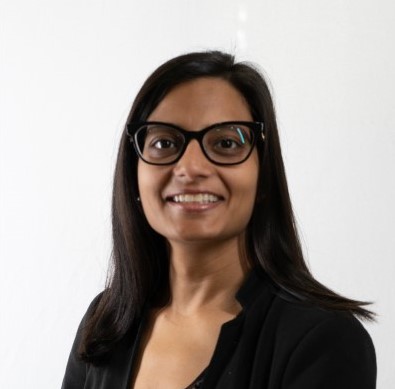
Review pediatric eye exams, myopia control, and locations if you need office context, and meet the team on our our doctors page. When you book, ask which clinician offers the pediatric myopia management visit at the Kennesaw or East Cobb location you choose. Dr. Mital Patel, OD and Dr. Sonya Okungu, OD are among the doctors of optometry on the Classic Vision Care team.
What should you tell the school after the visit?
Share only what the school needs: whether glasses should be worn full time, for board work, or for another schedule the doctor recommended. You do not need to explain every clinical detail to the front office. If Form 3300 or sports clearance paperwork is due, ask the clinic which forms they can complete from the exam.
How do you keep siblings on different schedules straight?
Give each child a separate follow-up date on the family calendar. A younger sibling's screening result does not set the older child's myopia return visit. If two kids need care in the same month, ask the office about same-day scheduling so you are not crossing Barrett Parkway twice in one week.
Key Takeaways
- A pediatric myopia management exam looks at today's clarity and at how nearsightedness is changing over time, not only at the next glasses refill.
- NEI describes myopia as blur for far-away objects that often begins in the school years and can keep changing into early adulthood.
- AAO frames myopia-control care as slowing progression; myopia itself is not reversed.
- AOA separates vision screenings from comprehensive eye exams; passing a screening does not replace a full exam.
- History, refraction, an eye health check, and growth-related discussion usually sit inside the visit; treatment choice belongs to the optometrist and family after those findings.
- Separate routine booking from urgent symptoms such as sudden vision loss, curtains or shadows, severe pain, injury, or chemical splash.
- Classic Vision Care books pediatric myopia management exams in Kennesaw and East Cobb through the links below.
Related Reading
- Myopia Control in Children: An Evidence-Based Guide for Parents in Kennesaw and East Cobb
- A Parent's Guide to Myopia Progression
- Does a Passing School Vision Screening Replace a Kids Eye Exam in Cobb County?
- Back-to-School Eye Exams
- What to Expect From a Comprehensive Eye Exam
- How Often Should You Have an Eye Exam?
- What a New-Patient Exam Looks Like If You Just Moved to Kennesaw or East Cobb
Sources
- National Eye Institute. Nearsightedness (Myopia)
- American Optometric Association. Myopia (nearsightedness)
- American Optometric Association. Comprehensive eye exams
- American Academy of Ophthalmology. Nearsightedness: What Is Myopia?
- American Academy of Ophthalmology. Myopia Control in Children
- National Eye Institute. Retinal Detachment
- Poison Control. Splashed a poison in your eye?
This article is for informational purposes only and does not constitute medical advice. Please consult with an eye care professional for diagnosis and treatment.
Next Steps
If your child in Kennesaw or East Cobb needs a pediatric exam with time for myopia management discussion, book on a routine schedule. Bring current glasses, prior prescriptions, and notes about school and outdoor habits. Use urgent or emergency pathways instead for sudden vision loss, curtains or shadows, severe pain, injury, or chemical splash.
Kennesaw: (770) 499-2020. East Cobb: (678) 560-8065.