
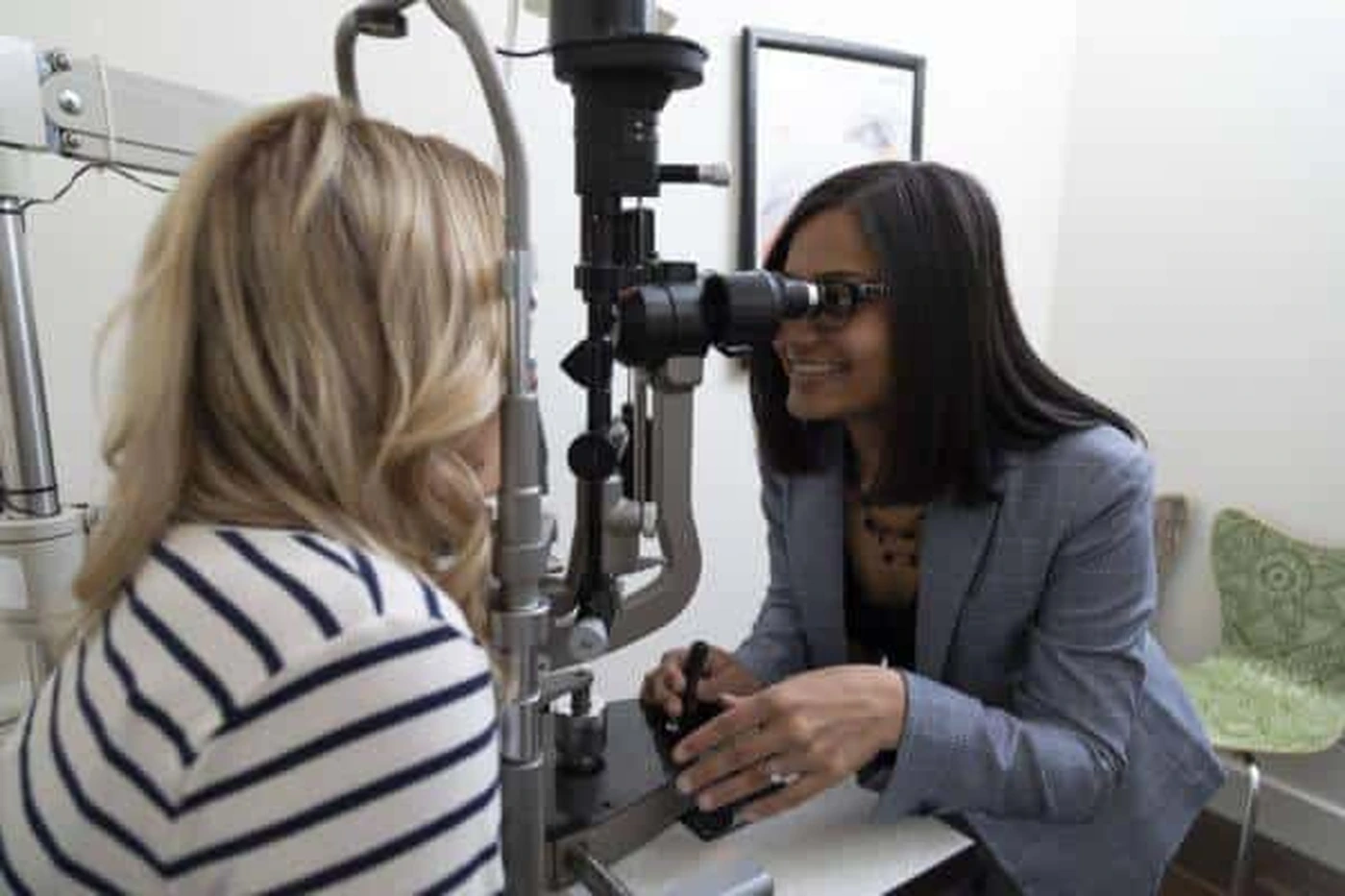
Eye infections happen when bacteria, viruses, fungi, or parasites such as Acanthamoeba infect the eye, including the conjunctiva (the thin clear layer over the white of the eye and inside the eyelids) and the cornea (the clear front window of the eye). Some eye infections are mild, but infections of the cornea can cause permanent vision loss if they are not treated.
The symptoms of an eye infection can include:
- Pain
- Red eyes
- Discharge
- Watery eyes
- Sensitivity to light
- Swollen eyes
- Itching
- Blurry vision
You should contact your eye doctor right away once it becomes apparent that you are dealing with an eye infection. There are many different types of eye infections, and an eye doctor will have the experience and knowledge to determine which kind of infection you have so that the proper treatment can be prescribed.
Some causes and types of eye infections are:
- Conjunctivitis, or pink eye. Pink eye is most often caused by viruses (adenoviruses are one of the most common), bacteria, or allergies. Viral and bacterial pink eye can spread easily from person to person.
- Fungal keratitis. Fungal keratitis can follow improper contact lens use, steroid eye drops, or an injury that puts plant material in the eye.
- Acanthamoeba keratitis. Parasites can invade the eyes of contact lens wearers, causing this sight-threatening infection. Contact lens wearers should always follow established safety tips to avoid this serious infection. The most important one: keep your lenses away from all water, since water on lenses has been linked to Acanthamoeba keratitis.
Comfort steps can ease an eye infection while you wait for your exam, but they do not treat the infection and should not replace an exam. A few ways to lessen the discomfort you experience from an eye infection can include:
- Take ibuprofen or another over-the-counter pain killer for comfort. Eye pain is a reason to be seen the same day, not to treat yourself at home.
- Place a clean, cool, damp washcloth over your closed eyes. Use a fresh cloth each time and do not share it.
- Use an over-the-counter lubricating eyedrop, also known as “artificial tears”
Stop wearing contact lenses until your eye doctor says it is okay. Do not use leftover or borrowed eye drops, since steroid eye drops are one cause of fungal keratitis. Antibiotics do not work on viral pink eye.
Here at Classic Vision Care, Dr. Mital Patel, OD, and our team understand how important the gift of sight is, and we always strive to provide quality eye care to each and every patient. Classic Vision Care serves patients from offices in Kennesaw and East Cobb. To learn more about the services we have available here at Classic Vision Care, schedule a consultation online, or call the office nearest you today: Kennesaw at (770) 499-2020 or East Cobb (Marietta) at (678) 560-8065.
What are the most common eye infection causes?
Most eye infection causes are one of four kinds of germs: bacteria, viruses, fungi, or parasites, which infect the conjunctiva (the thin clear layer over the white of the eye and inside the eyelids) or the cornea (the clear front window of the eye). An infection of the cornea is called keratitis. Here are the main causes of eye infections and the warning signs that need a same-day exam.
Bacteria. Bacteria cause many cases of pink eye and corneal ulcers [1][2]. Bacterial corneal ulcers are common in contact lens wearers, especially people who wear extended-wear lenses [1].
Sexually transmitted bacteria. The bacteria that cause gonorrhea and chlamydia can also cause pink eye [2]. They spread through eye to genital contact, or from a mother to her baby [2]. A newborn with pink eye symptoms should see a doctor right away [3].
Viruses, including adenovirus and herpes. Adenoviruses are one of the most common causes of viral pink eye [2]. Herpes simplex virus and varicella zoster virus (the virus behind chickenpox and shingles) can also infect the eye [2]. Herpes can cause repeat attacks of keratitis, which stress, a weak immune system, or sunlight can trigger [1]. Antibiotics do not work on viral pink eye, and serious forms may need antiviral medicine [3].
Fungi. Fungal keratitis can follow improper contact lens use, steroid eye drops, or an injury that puts plant material in the eye [1]. Never use leftover or borrowed eye drops.
Acanthamoeba with contact lenses. Acanthamoeba is a tiny single-celled organism found mainly in fresh water and soil [1]. It can cause a serious corneal infection, mostly in contact lens wearers [1]. Water exposure on lenses has been linked to Acanthamoeba keratitis, so keep your lenses away from all water [4].
Red flags that need a same-day exam. Call an eye doctor right away if you have eye pain, light sensitivity, blurred vision that does not clear when you wipe away discharge, or intense redness [3]. Also call if symptoms get worse or do not improve, or if you have a weakened immune system [3]. Contact lens wearers with bacterial pink eye have a higher risk of keratitis and should be checked promptly [2]. An untreated corneal ulcer can cause permanent vision loss [1].
Comfort while you wait. Cold compresses and artificial tears can ease irritation [3]. Stop wearing contact lenses until your eye doctor says it is okay [3].
Help in Kennesaw and East Cobb. Dr. Mital Patel, OD, and the Classic Vision Care team diagnose and treat eye infections. An eye exam finds the cause of your eye infection so you get the right treatment. Eye pain is a same-day concern at Classic Vision Care, so call the office nearest you during office hours. If symptoms get worse after hours, go to the emergency room.
Related reading: eye infection causes, same-day exam.
Sources
- American Academy of Ophthalmology, "What Is a Corneal Ulcer (Keratitis)?" (published Dec. 04, 2025, reviewed by Arjan S Hura, MD)
- Centers for Disease Control and Prevention, "Clinical Overview of Pink Eye (Conjunctivitis)" (Apr. 15, 2024)
- Centers for Disease Control and Prevention, "How to Treat Pink Eye" (Apr. 15, 2024)
- U.S. Food and Drug Administration, "Contact Lens Solutions and Products" (content current as of 01/16/2018)
You Might Also Enjoy…

Are Glasses Better than Contacts?
Trying to decide between wearing eyeglasses or contact lenses? Consider all the factors, including comfort, ease, and appearance. We’ve compiled a list of pros and cons to help you see your way through this significant decision.

Why Sunglasses are Important All Year Long
No doubt you always have your favorite shades close by all summer. But sunglasses protect your eyes all year long, even during darker winter months. Learn how they shield your eyes from harmful ultraviolet (UV) rays any time of year.
How Astigmatism Affects Your Vision
Astigmatism causes a variety of symptoms ranging from blurred vision to eye discomfort and pressure. Understand how a comprehensive eye exam can pinpoint the cause of your symptoms and get your sight back on track.

5 Steps to Prevent Diabetic Eye Disease
People with diabetes are more vulnerable to certain eye diseases, such as glaucoma, cataracts, and diabetic retinopathy. Learn what steps you can take to slow their progression and potentially avoid them in the first place.
Am I a Candidate for Contact Lenses?
If you need vision correction, contact lenses are a popular option. If you’re simply tired of your glasses or just looking to see the world more clearly, discover whether contact lenses may be the perfect fit for you.
