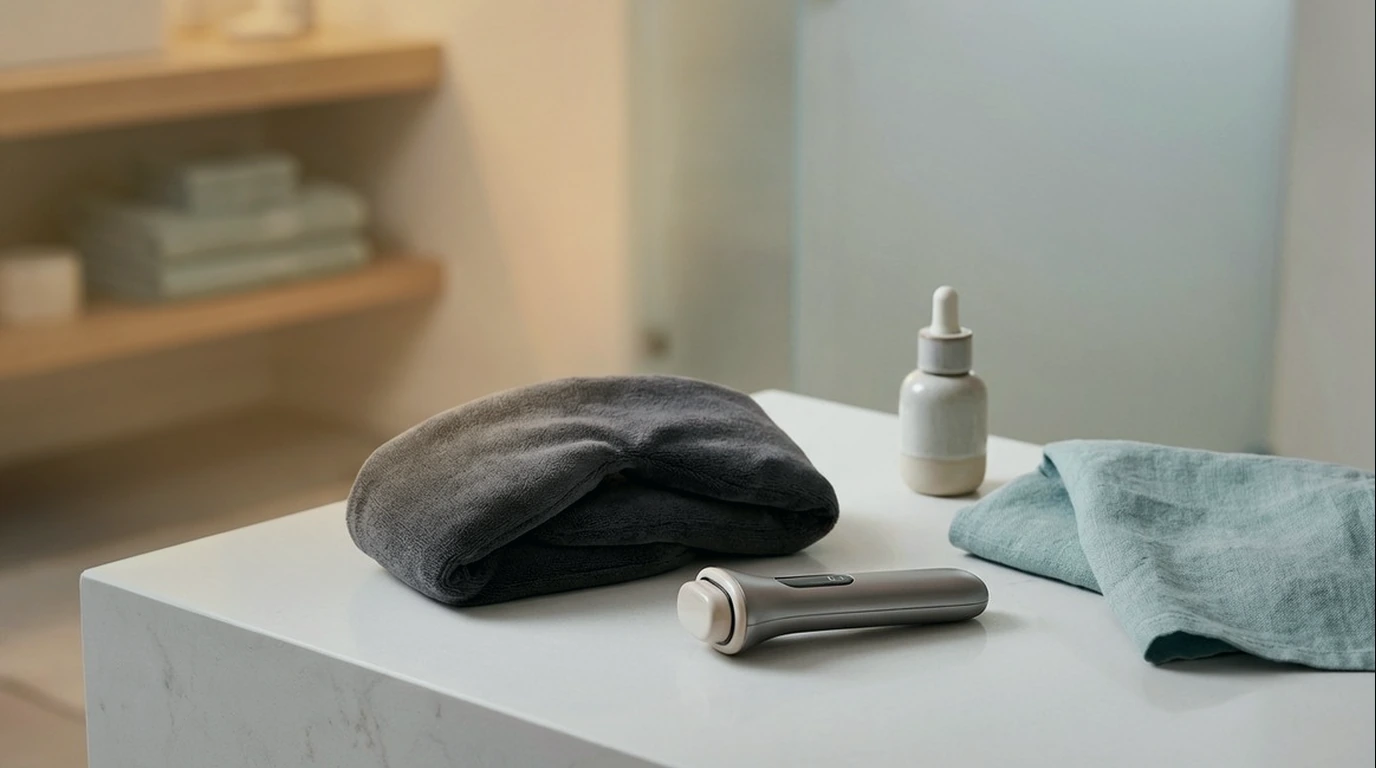
Radio frequency (RF) therapy is an in-office treatment that uses controlled electromagnetic energy to heat the eyelids from the outside, melting the hardened oils that block your meibomian glands. These glands produce the protective oil layer of your tear film, and when they're clogged, your tears evaporate too quickly. That's the root cause behind the burning, gritty discomfort most dry eye patients know too well.
At Classic Vision Care, we offer RF therapy as part of our Dry Eye Spa treatment options. A multicenter prospective study of 47 patients found that RF therapy improved tear break-up time by 154% and meibomian gland function scores by 309% at six months, with zero reported complications (Yeu et al., The Open Ophthalmology Journal, 2023).
Why Meibomian Gland Dysfunction Causes Dry Eye
Your eyelids contain roughly 25-30 meibomian glands in the upper lid and 20-25 in the lower lid. Each gland secretes a thin oil called meibum that forms the outermost layer of your tear film. This oil layer is what prevents your tears from evaporating between blinks.
When these glands become blocked, a condition called meibomian gland dysfunction (MGD), the oil thickens and hardens inside the gland. Without that protective oil layer, tears evaporate faster and your eyes dry out. The TFOS DEWS II report identifies evaporative dry eye from MGD as the predominant form of dry eye disease, accounting for up to 85% of cases.
The longer glands stay blocked, the worse the problem gets. Chronic obstruction can lead to permanent gland atrophy, and once a gland is gone, it doesn't regenerate. That's why treating blocked glands early matters.
How Radio Frequency Therapy Works
RF therapy works through a different mechanism than other dry eye treatments. The device generates an oscillating electromagnetic field that causes charged particles in your tissue to vibrate, producing controlled friction and internal heat. This process heats the eyelid tissue to approximately 41-42 degrees Celsius (about 106-108 degrees Fahrenheit), which is the melting point of pathologically thickened meibum.
Here's what happens during the process:
Meibum liquefaction. The RF energy melts the hardened, waxy secretions obstructing your glands. This is the primary therapeutic effect and restores oil flow.
Collagen remodeling. The controlled thermal energy stimulates new collagen production in the periorbital skin, which improves tissue structure and lid contact with the eye surface.
Inflammation reduction. The thermal effect reduces bacterial load on the lid margin and downregulates chronic inflammatory processes that contribute to gland dysfunction.
The device uses a built-in temperature sensor that continuously monitors tissue temperature throughout treatment, keeping it within a safe and therapeutic range.
What to Expect During RF Treatment
RF treatment is comfortable. Patients consistently describe it as a warm, relaxing sensation around the eyes. Here's the typical process:
Before treatment. Dr. Patel evaluates your meibomian glands to assess blockage severity and confirms RF therapy is appropriate for your condition.
During treatment. A smooth handpiece glides over the skin around your closed eyelids, delivering controlled RF energy. The device heats the tissue gradually while monitoring temperature in real time. Each session takes approximately 15-30 minutes.
After treatment. Dr. Patel performs meibomian gland expression to clear the liquefied oils from your glands. This step clears the pathway so your glands can start producing healthy oil again.
Treatment protocol. The standard course is 4 sessions spaced 2-3 weeks apart, with maintenance sessions recommended twice per year after the initial series.
Results timeline:
- After 1-2 sessions: Some patients notice improved comfort
- 1 month after completing the series: Tear break-up time improves significantly (from 2.8 to 6.3 seconds in the Yeu et al. study)
- 3-6 months: Full results become apparent. OSDI symptom scores dropped by 32% and gland function scores improved by 309% at six months
- No downtime: You can return to normal activities immediately
Who Is a Good Candidate for RF?
RF therapy works best for patients with evaporative dry eye caused by meibomian gland dysfunction. You may be a strong candidate if you:
- Have been diagnosed with MGD or evaporative dry eye
- Experience burning, gritty, or tired eyes despite using artificial tears
- Have thickened or absent oil production from your eyelid glands
- Want a comfortable, non-invasive treatment option
- Have tried warm compresses at home with only partial relief
- Have darker skin tones (Fitzpatrick types V-VI) that may not be suitable for IPL
One advantage RF has over IPL therapy is that it works safely on all skin tones. IPL uses light energy that can interact with melanin, which limits its use in patients with darker skin. RF energy heats tissue through electromagnetic resistance rather than light absorption, so skin tone is not a factor.
RF may not be the best choice if you have a pacemaker or other implanted electrical device, metal implants in the treatment area, active eye infection, or are pregnant.
Dr. Patel's comprehensive dry eye evaluation identifies your specific type so we recommend the right treatment.
RF vs. MiBoFlo vs. IPL: How the Treatments Compare
All three treatments target meibomian gland dysfunction, but they use different mechanisms. Here's how they stack up:
| Feature | RF | MiBoFlo | IPL |
|---|---|---|---|
| How it works | Electromagnetic heating via tissue resistance | External thermoelectric heat pad | Broad-spectrum light pulses |
| TBUT improvement | +154% at 6 months | +103% at 6 months | Varies by study |
| Symptom reduction (OSDI) | -32% at 6 months | -35% at 6 months | ~90% effectiveness reported |
| Sessions needed | 4 sessions, 2-3 weeks apart | 3-4 sessions, 2-4 weeks apart | 3-4 sessions, 2-4 weeks apart |
| Treatment time | 15-30 minutes | ~12 minutes | 15-20 minutes |
| All skin tones | Yes (Fitzpatrick I-VI) | Yes | No (Fitzpatrick I-IV only) |
| Added benefit | Collagen remodeling | None | Reduces telangiectasia |
| Comfort | Warm, relaxing | Warm, spa-like | Brief light pulses |
There's no single "best" option for every patient. MiBoFlo is excellent for patients who want a shorter, spa-like session with strong symptom relief. IPL is particularly effective when inflammation and rosacea-related changes are driving the gland dysfunction. RF offers the broadest skin-tone compatibility and the added benefit of periorbital collagen stimulation.
Your clinician can explain whether one treatment or a combination fits your examination findings. Confirm procedure availability and treatment location before scheduling.
For a complete overview of in-office and at-home dry eye options, visit our dry eye treatment guide.
Frequently Asked Questions
Q: What is radio frequency treatment for dry eye?
A: RF treatment is an in-office procedure that uses controlled electromagnetic energy to heat your eyelids and melt blocked oils in your meibomian glands. It treats the root cause of evaporative dry eye by restoring normal oil production. A multicenter study showed 154% improvement in tear stability and 309% improvement in gland function scores at six months.
Q: Does RF dry eye treatment hurt?
A: No. Patients describe RF treatment as a warm, comfortable sensation around the eyes. The device includes a real-time temperature monitor that keeps tissue temperature within a safe range throughout the session.
Q: How many RF sessions do I need?
A: The standard protocol is 4 sessions spaced 2-3 weeks apart. Most patients notice improvement after the first few sessions, with full results developing over the following weeks. Maintenance sessions (typically twice per year) help sustain the benefits long-term.
Q: Can RF be combined with other dry eye treatments?
A: Yes. RF works well alongside other treatments. Dr. Patel often pairs it with BlephEx for lid cleaning, omega-3 supplements, and prescription anti-inflammatory drops. Combining treatments targets multiple causes of dry eye simultaneously.
Q: Is RF safe for darker skin tones?
A: Yes. Unlike IPL, which uses light energy that interacts with melanin, RF heats tissue through electromagnetic resistance. This means it works safely and effectively on all skin tones (Fitzpatrick types I through VI).
Ready to Find Dry Eye Relief?
Find out if RF therapy is right for your dry eye. Schedule a consultation with Dr. Patel at Classic Vision Care's Dry Eye Spa.