
Dry eyes during winter are caused by low humidity from outdoor air and heated indoor environments. These factors cause your tears to evaporate faster, creating conditions for dryness and irritation. During the winter season, wind increases, and screen time often does too.
Reduced blinking and dry air strip your eyes of moisture, causing discomfort that can disrupt your daily activities. If you’re wondering how to prevent dry eyes in the winter, Classic Vision Care offers dry eye evaluations and custom solutions to relieve your dry winter eye symptoms. We serve patients throughout Marietta, Kennesaw, and the greater Georgia area.
What Causes Winter Dry Eye?
Several environmental factors trigger dry eye symptoms to flare up during the winter months. Winter dry eye is widespread because cold air, wind, lower humidity, and indoor heating all disrupt your tear film, the protective layer of moisture that keeps your eyes comfortable and healthy.
Seasonal changes reduce moisture levels, causing faster tear evaporation. Many people experience increased irritation, burning, and blurry vision during winter, even if they don’t have symptoms year-round. Classic Vision Care regularly sees an uptick in dry eye patients during Georgia’s colder months.
Why the Winter Months Make Dry Eye Worse
Winter exacerbates dry eye symptoms through multiple environmental and behavioral factors. While you can’t control the weather, understanding these triggers helps you take preventive action.
Cold Outdoor Air & Wind
Cold air holds significantly less moisture than warm air, leading to faster tear evaporation. Your tear film provides a smooth optical surface that protects your eyes from pathogens and environmental irritants while promoting healing of minor surface injuries.
Wind exposure strips away natural tears, leading to sensitivity and potential corneal irritation. Without adequate tear protection, your eyes become more vulnerable to discomfort and damage.
Indoor Heat & Low Humidity
Heaters and fireplaces dramatically dry out indoor air, causing tears to evaporate rapidly. This leads to common dry winter eye symptoms, including a gritty sensation, the feeling that something is stuck in your eye.
Low humidity reduces tear stability, and prolonged dryness can leave your eyes more susceptible to irritation and infection.
Increased Screen Time in Winter
People tend to stay indoors more during cold months, which often leads to increased digital device use and eye strain. When you focus on screens for extended periods, you blink less frequently and less completely.
Reduced blinking worsens dryness and irritation because the tear film can’t stay properly lubricated or protect the eye surface effectively.
Indoor Allergens
Dust and indoor allergens can inflame the eyes and mimic or worsen dry eye symptoms. When homes aren’t cleaned regularly, accumulated dust can trigger allergic reactions that cause redness, itchiness, and watery eyes.
Maintaining a clean indoor environment, regular dusting and vacuuming, can help reduce these irritation triggers during the winter months when you’re spending more time inside.
Common Dry Eye Symptoms (and Who Is Most Affected in Winter)
Dry eyes in winter don’t present the same way for everyone. Here are the most common symptoms patients experience during colder months:
- Stinging or burning
- Grittiness
- Redness
- Light sensitivity
- Fluctuating or blurry vision
- Excess tearing (reflex tearing from dryness)
- Discomfort wearing contact lenses
High-risk groups for winter dry eye:
- Contact lens wearers
- People with chronic dry eye disease
- Older adults
- Individuals with autoimmune conditions
- Screen-heavy workers (office, remote, students)
- People exposed to winter air frequently (athletes, outdoor workers)
Practical Winter Dry Eye Relief Strategies
If you are someone who experiences winter dry eyes regularly, you probably have tried various strategies to soothe the discomfort. Here are some at-home tips patients can use right away to dull their symptoms.
At-Home Remedies:
- Use a humidifier to add moisture back into indoor air, especially in bedrooms and workspaces
- Apply warm compresses for 5-10 minutes to improve oil gland function and relieve discomfort
- Use preservative-free artificial tears regularly throughout the day to maintain moisture
Lifestyle Adjustments:
- Follow the 20-20-20 rule to reduce screen strain. Every 20 minutes, look at something 20 feet away from you for at least 20 seconds. This is a trick that helps give your eyes a break from a computer screen. Practicing this technique will help reduce eye fatigue, dryness, and blurred vision.
- Stay hydrated by drinking plenty of water to support natural tear production
- Eat omega-3-rich foods like salmon, flaxseed, and walnuts to support healthy tear composition
Environmental Tips:
- Avoid sitting directly in front of heaters or fans. These devices are known to dry your eyes out and cause irritation.
- Wear wraparound sunglasses outdoors to block the wind. Sunglasses can protect your eyes from dirt and debris and keep pollen away.
- Run a humidifier at night or near workspaces where you spend significant time
- Raise indoor humidity to 40–50% when possible. If the humidity is too low, your tears will evaporate faster. If the humidity is too high, it will destabilize the tear film, creating an environment for mold and bacteria to grow. Find a perfect balance where your eyes can maintain comfort.
When to See an Eye Doctor for Winter Dry Eye Symptoms
You should seek professional care if:
- Symptoms persist despite home remedies
- Discomfort worsens or interferes with daily tasks
- You experience chronic irritation throughout the winter
- Over-the-counter treatments provide minimal relief
Persistent dry winter eye symptoms may signal underlying issues like Meibomian gland dysfunction or chronic inflammation that require professional treatment.
How Classic Vision Care Can Help
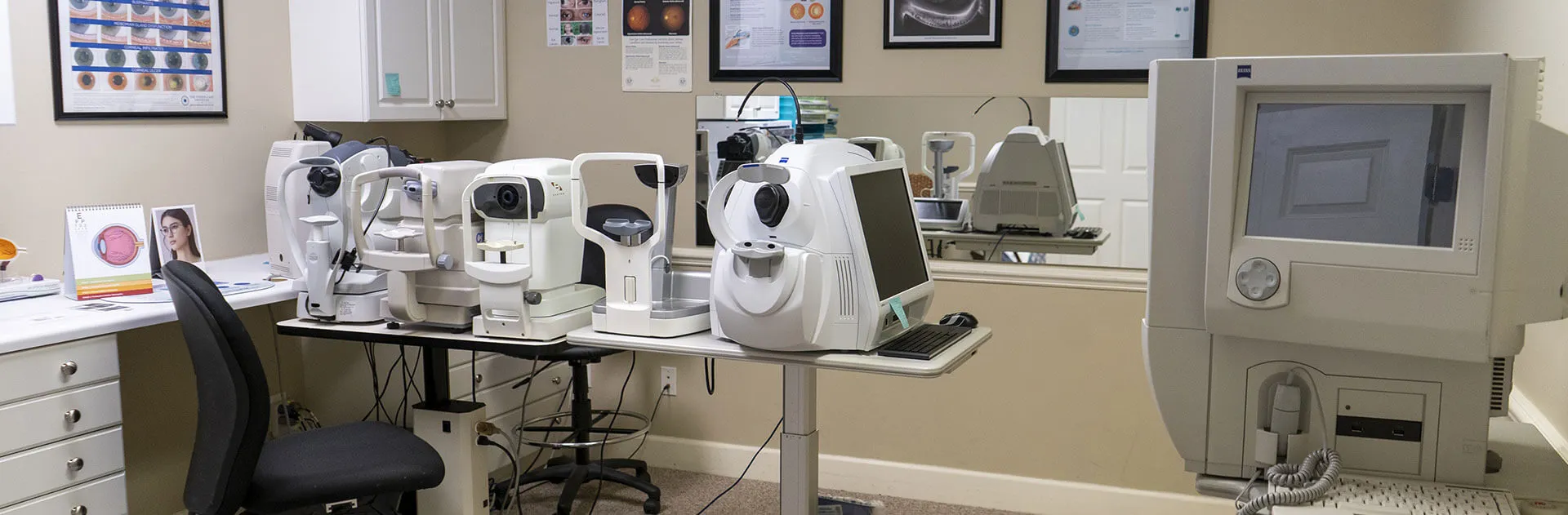
Classic Vision Care offers comprehensive winter dry eye evaluations, including:
- Tear film analysis to assess tear quality and quantity
- Meibomian gland imaging to evaluate oil gland function
- Customized treatment plans tailored to your specific condition
Our treatment options may include prescription anti-inflammatory drops, in-office therapies such as thermal pulsation or intense pulsed light (IPL), specialized lid hygiene routines, and ongoing management strategies to keep you comfortable all winter long.
Don’t Let Winter Dry Eye Affect Your Quality of Life
Winter dry eye is common and highly treatable. While simple lifestyle changes can make a significant difference, persistent symptoms deserve professional attention. Don’t spend another winter uncomfortable. Schedule a dry eye evaluation with Classic Vision Care today for personalized care that addresses the root cause of your dry winter eyes. We’re conveniently located in Marietta and Kennesaw, GA, and are here to help you enjoy clear, comfortable vision all season long.