
Reviewed by Dr. Mital Patel, OD (Classic Vision Care)
If your eyes are frequently red, watery, burning, or feel gritty, it is easy to assume it is allergies or routine dry eye. But when symptoms keep returning, especially with eyelid irritation or recurring styes, ocular rosacea may be part of the picture.
This patient guide explains what ocular rosacea is, what it commonly feels like, what you can do at home, what typically happens at an eye appointment, and how treatment is usually approached over time. It is informational and not a personal diagnosis.
Table of Contents
- What is ocular rosacea?
- What are the symptoms of ocular rosacea?
- What causes ocular rosacea and what triggers flare-ups?
- How is ocular rosacea different from dry eye, blepharitis, allergies, or pink eye?
- What are the key benefits of getting ocular rosacea treated?
- What can you do at home to calm ocular rosacea symptoms?
- What should you expect at an eye appointment for ocular rosacea?
- What treatments might be recommended for ocular rosacea?
- When should you seek urgent care for ocular rosacea symptoms?
- What are common questions about ocular rosacea?
- Ready to schedule an appointment today?
- Sources
What is ocular rosacea?
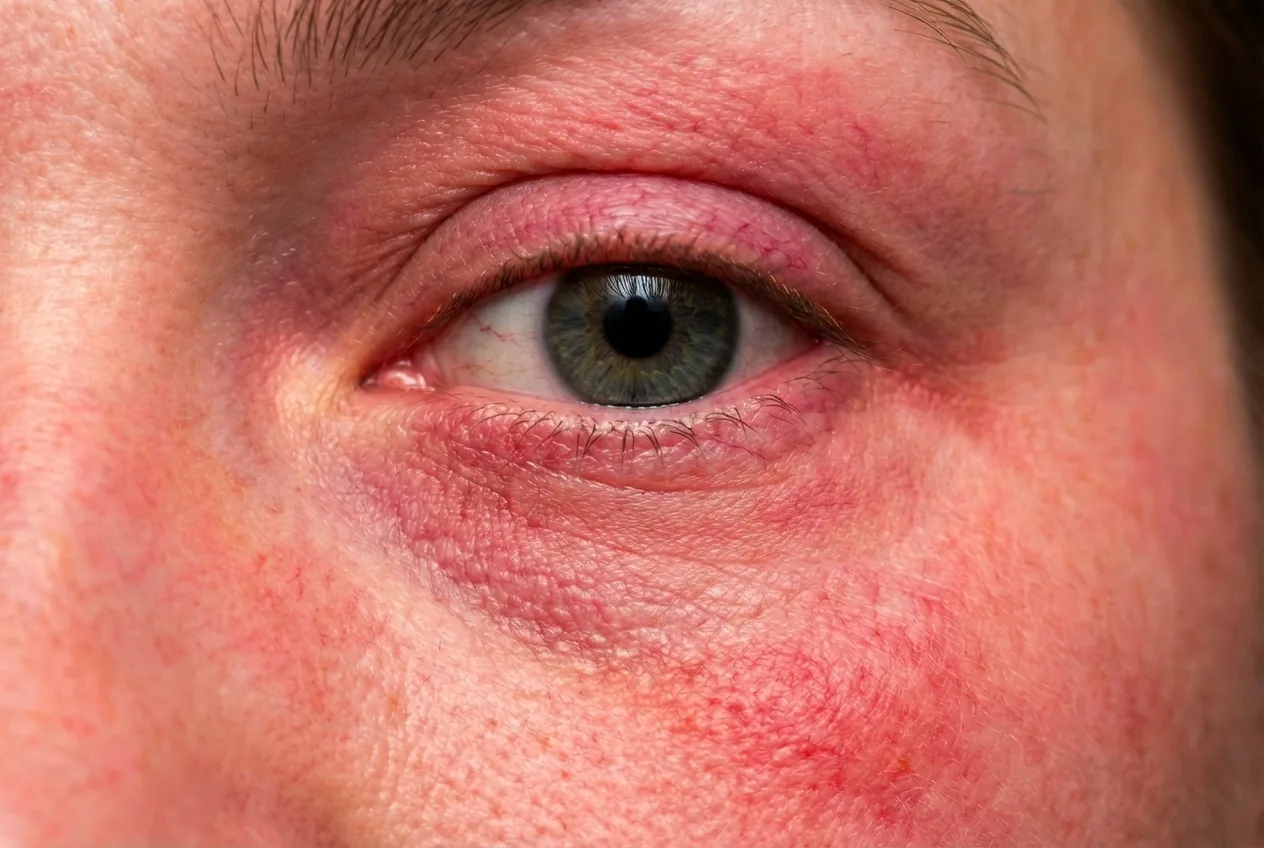
Ocular rosacea is a chronic inflammatory condition that affects the eyelids and the surface of the eye. It is often associated with facial rosacea, but eye symptoms can also show up when skin symptoms are subtle or not obvious.
For many patients, ocular rosacea feels like a mix of “dry eye” symptoms plus eyelid irritation. That combination is not random. When the eyelid margins are inflamed, the eyelid oil glands can become clogged or less functional. If the oil layer of the tears is not working well, the tear film becomes less stable, and the surface of the eye can get irritated more easily.
In a peer-reviewed review article, ocular rosacea is reported to account for roughly 10% to 50% of cases of cutaneous (skin) rosacea, and it can occur even without visible skin findings.
How is ocular rosacea related to facial rosacea?
Rosacea is often described as a skin condition that causes facial flushing, persistent redness, and sometimes acne-like bumps. Ocular rosacea is the eye and eyelid form of that inflammatory pattern.
For some people, facial signs are the first clue. For others, eye irritation is the main complaint, and the skin signs may be mild or noticed later. If you have a rosacea diagnosis, facial flushing, or very sensitive skin, sharing that history can help your eye doctor put the pieces together.
Can ocular rosacea happen without skin symptoms?
Yes. The American Academy of Ophthalmology notes that some people have ocular rosacea without skin symptoms. Mayo Clinic also notes that signs and symptoms of ocular rosacea can precede the skin symptoms of rosacea.
This is one reason people can spend months treating “allergies” or “dry eye” without getting to the root cause.
Why do watery eyes still feel dry?
Watery eyes do not always mean your eyes are well-lubricated. When the tear film is not staying on the eye comfortably, your eyes can water and still feel dry, burning, or gritty.
If this sounds familiar, you may find this related article helpful: Did you know that watery eyes are actually caused by dry eyes?
What are the symptoms of ocular rosacea?
Ocular rosacea can look different from one person to the next. Some patients mainly notice burning and dryness. Others are more bothered by eyelid tenderness, crusting, or repeated styes.
Major medical sources describe symptoms and signs such as:
- Red, burning, itchy, or watering eyes
- A gritty, scratchy feeling (foreign body sensation)
- Redness and swelling of the eyelids, especially near the lashes
- Clogged or inflamed eyelid oil glands
- Crusting around the lashes
- Recurrent styes or chalazia
- Blurred vision that comes and goes
- Sensitivity to light
Symptoms often flare, improve, and then flare again. Many people notice patterns like worse symptoms after long screen days, during windy weather, or after heat exposure.
Can ocular rosacea cause blurry vision or light sensitivity?
It can. Mayo Clinic includes blurred vision and sensitivity to light (photophobia) among possible ocular rosacea symptoms.
In everyday life, blur is often tied to tear film instability, meaning vision may clear after blinking or using lubricating drops. Still, a new or significant change in vision should be taken seriously and evaluated.
Why do I keep getting styes or chalazia?
Repeated eyelid bumps can be a clue that the eyelid margins and oil glands are chronically inflamed. When oil glands are clogged or irritated, it can make styes or chalazia more likely to recur.
Styes can also happen for reasons unrelated to ocular rosacea. If you are getting frequent styes, have ongoing eyelid redness, or your “dry eye” symptoms keep returning, an eye exam can help identify what is driving the cycle.
What causes ocular rosacea and what triggers flare-ups?
Major medical sources note that the exact cause of rosacea (including ocular rosacea) is not fully understood. In day-to-day life, most patients are less interested in the label and more interested in what reliably makes symptoms worse and what helps.
What everyday triggers should you watch for?
The American Academy of Ophthalmology lists common rosacea flare triggers such as:
- Heat, sun, wind, or cold exposure
- Strenuous exercise
- Alcohol
- Spicy foods
- Hot beverages
- Emotional stress
Not every trigger affects every person. A simple approach is to watch for patterns, then plan around them. If hot showers are a trigger, lowering the temperature can help. If wind reliably worsens symptoms, wraparound sunglasses can reduce direct exposure.
It can also help to think beyond classic rosacea triggers:
- Digital devices: The American Academy of Ophthalmology notes that we blink less when we stare at screens, which can make eyes feel dry or irritated.
- Dry indoor air and irritants: Smoke, fans, and low humidity can dry the tear film faster and worsen discomfort.
- Contact lenses: Contacts may feel less comfortable during flares. If that happens, take a break and wear glasses until symptoms settle.
If you feel stuck between “allergies” and “dry eye,” you may find this article useful: Dealing with allergies and dry eyes
How is ocular rosacea different from dry eye, blepharitis, allergies, or pink eye?
Ocular rosacea overlaps with several common conditions, and many people have more than one issue at the same time.
Here is a practical way to think about the overlap:
- Dry eye describes a symptom pattern (dryness, burning, intermittent blur). In ocular rosacea, eyelid inflammation and oil gland dysfunction can destabilize the tear film and contribute to dry eye symptoms.
- Blepharitis means inflammation of the eyelid margins. Ocular rosacea often overlaps with blepharitis, and treating the lids is often part of improving comfort.
- Allergies often cause itching and may be seasonal or linked to specific exposures. Ocular rosacea is more likely to cause burning, lid margin redness, and recurring eyelid issues.
- Pink eye (conjunctivitis) can be infectious or non-infectious. If it is viral or bacterial, it can be contagious. Ocular rosacea is not an infection, but it can be associated with recurrent irritation that resembles conjunctivitis.
If you have eyelid irritation, recurrent styes, facial flushing, and symptoms that keep returning, it is reasonable to ask an eye doctor whether ocular rosacea or eyelid margin disease is contributing.
For more on eyelid margin inflammation, Classic Vision Care has a related page here: Blepharitis
What are the key benefits of getting ocular rosacea treated?
Ocular rosacea is not only a comfort issue. Ongoing inflammation can keep the eyelids and ocular surface in a cycle of irritation. In more severe cases, sources like Cleveland Clinic note that untreated ocular rosacea can damage the eyes and permanently affect vision, although this is rare.
Here are practical benefits patients often care about:
1) More comfortable eyes day to day
Treatment commonly focuses on calming inflammation and stabilizing the tear film, which can reduce burning, grittiness, and watering.
2) Fewer recurring styes and eyelid flare-ups
When eyelid margin inflammation and clogged oil glands are addressed, the cycle of eyelid bumps can become less frequent for many patients.
3) More stable vision during screens and daily activities
Tear film instability can cause vision to fluctuate. Improving tear quality and eyelid health often improves that “comes and goes” blur.
4) A clearer plan instead of guessing
A diagnosis gives you and your eye doctor a framework: what to treat first, how to adjust during flares, and when follow-up is needed.
5) Confidence about what is urgent
Knowing which symptoms should be evaluated promptly helps you protect your eyes and avoid delaying care when it matters.
Many patients with ocular rosacea also have dry eye overlap. If dry eye is a major part of your symptoms, you can learn about evaluation and care options here: Dry eye treatment
What can you do at home to calm ocular rosacea symptoms?
Home care is often the foundation because eyelid margin inflammation and oil gland dysfunction do not reliably improve with drops alone. Your eye doctor may tailor recommendations to your exam, but the general theme is consistency.
Here are home-care steps that are commonly recommended as part of long-term management:
- Warm compresses to help soften thickened oils in the eyelid glands
- Gentle eyelid hygiene to reduce debris and inflammation along the lash line
- Lubricating drops (artificial tears) for comfort, as recommended
- Trigger awareness (heat, sun, spicy foods, alcohol, wind) if you notice a clear pattern
- Hands off the eyes as much as possible, since rubbing can worsen irritation and increase infection risk
- Screen habits like blink breaks during long tasks
How should you do warm compresses and eyelid hygiene?
A safe, simple routine often looks like this:
1) Place a clean, warm (not hot) compress over closed eyes. Re-warm it as needed.
2) If your clinician recommends it, gently massage the lids after warming to help express oils.
3) Clean the lid margins as directed, using a doctor-recommended lid cleanser or wipes.
If you are unsure about technique, ask your eye doctor to demonstrate. Avoid anything that burns the skin or leaves your eyelids feeling raw.
What should you avoid during a flare (including certain eye drops)?
The American Academy of Ophthalmology cautions against using “bloodshot eye” drops for ocular rosacea, noting that they can make symptoms worse.
Other flare-time tips that can be helpful:
- Avoid rubbing your eyes.
- Consider simplifying eye makeup and removing it gently.
- If contact lenses feel uncomfortable, take a break and wear glasses until the flare calms down.
- Avoid smoke, direct fan airflow, and very dry environments when possible.
What should you expect at an eye appointment for ocular rosacea?
Many patients put off care because they assume the only option is “use artificial tears.” A focused eyelid and ocular surface evaluation can be much more specific.
At Classic Vision Care, our optometry team evaluates red, irritated eyes regularly. The goal is to identify what is driving symptoms (for example, eyelid margin inflammation, tear film instability, allergy overlap, or other causes) and then build a plan you can realistically follow.
What happens step by step at the visit?
While every clinic is a little different, many ocular rosacea evaluations follow a similar flow:
1) History and pattern
We talk through what you feel (burning, watering, gritty sensation), how long it has been happening, and what makes it better or worse.
2) Skin and eyelid context
We ask about facial flushing, sensitive skin, a rosacea diagnosis, and a history of recurrent styes or eyelid bumps.
3) Eyelid margin and gland assessment
The eyelid margins and oil glands are often a big focus, since they strongly influence tear stability.
4) Tear film and ocular surface check
We evaluate the tear film and the surface of the eye, and we look for signs of irritation or complications.
5) Plan and follow-up
Most patients leave with a structured home routine, plus prescriptions if needed, and a plan for when to follow up so we can adjust treatment based on response.
How can you prepare for the visit?
A little preparation can make your visit more efficient:
- Bring a list (or a photo) of eye drops and medications you use, including allergy drops and skin products used near the eyes.
- If symptoms flare and calm down, bring a photo taken during a flare.
- Write down patterns you have noticed (heat, spicy foods, alcohol, wind, long screen days, contact lens discomfort).
If you have not had a recent eye exam, you may want to review what the visit includes here: Comprehensive eye exams
What happens after the first visit?
Ocular rosacea is often managed over time, not in one appointment. You may start with a “base routine” at home, then add or adjust treatments depending on how your eyes respond.
If facial rosacea is also part of the picture, your eye doctor may encourage coordination with your primary care provider or dermatologist.
If you wear contacts and comfort has dropped, it can also be helpful to schedule a contact lens evaluation so fit and ocular surface health can be assessed together: Contact lens exams
What treatments might be recommended for ocular rosacea?
Treatment is usually stepwise. The goal is to reduce inflammation, improve eyelid margin health, and stabilize the tear film. Your plan depends on your symptoms, the exam findings, and how your eyes respond over time.
Common parts of treatment may include:
- A structured home routine (warm compresses, lid hygiene, and lubrication)
- Prescription drops or ointments when inflammation is significant
- Oral medications in some cases, often used for their anti-inflammatory effects
- In-office options that support eyelid hygiene or dry eye management when appropriate
Mayo Clinic notes that ocular rosacea can often be controlled with medication and home eye care, even though it often remains a chronic condition.
When are prescription drops or oral antibiotics used?
If home care is not enough, your eye doctor may recommend prescription treatment to control inflammation or address eyelid margin disease.
Mayo Clinic notes that clinicians sometimes prescribe oral antibiotics (such as tetracycline-class medications, including doxycycline) for ocular rosacea. These are not appropriate for everyone, and your clinician will review risks, benefits, and alternatives.
How long does it take to feel better?
Some people feel relief quickly once they start consistent home care and the right drops. For others, improvement is more gradual because eyelid gland function and chronic inflammation can take time to stabilize.
A realistic expectation is that ocular rosacea often improves in steps:
- Short-term comfort improvements (less burning, less grittiness) may happen early.
- Longer-term improvements (fewer styes, more stable tear film) can take longer and often require maintenance.
Your eye doctor can help set expectations based on what they see on your exam and how severe symptoms are.
When should you seek urgent care for ocular rosacea symptoms?
Do not try to push through eye pain or vision changes.
Cleveland Clinic advises urgent evaluation for symptoms such as intense eye pain, blurry vision, double vision, or loss of vision. They also note that while it is rare, untreated ocular rosacea can damage the eyes and permanently affect vision.
Seek urgent eye care if you have:
- Significant or worsening eye pain
- Sudden vision changes or rapidly worsening blur
- New or severe light sensitivity
- A red, painful eye that does not improve or that worsens quickly
What are common questions about ocular rosacea?
Is ocular rosacea contagious?
Ocular rosacea is not an infection. It is an inflammatory condition. That means you cannot “catch” ocular rosacea from someone else.
However, symptoms can resemble contagious conditions like viral conjunctivitis. If you are unsure whether your redness is from irritation or infection, an eye exam is the safest way to sort it out.
Can I wear contact lenses if I have ocular rosacea?
Some people can wear contacts with ocular rosacea, especially when symptoms are well-controlled. Comfort often drops during flares because the ocular surface is irritated and the tear film is less stable.
If you wear contacts:
- Consider wearing glasses during a flare.
- Avoid extending wear time if lenses feel dry or irritating.
- Ask your eye doctor whether a different lens type, material, or schedule could be safer.
Does ocular rosacea go away?
Ocular rosacea is usually described as chronic, meaning it tends to be long-term. Mayo Clinic notes that treatment can often control symptoms, even though the condition often remains chronic.
Many patients do well with a maintenance routine once symptoms stabilize. The goal is usually control, fewer flare-ups, and better day-to-day comfort.
Is ocular rosacea the same as blepharitis or dry eye?
They are not the same thing, but they often overlap.
Blepharitis describes eyelid margin inflammation. Dry eye describes a common symptom pattern. Ocular rosacea can be an underlying driver of both, which is why treating the lids and the tear film together is often important.
Ready to schedule an appointment today?
If you have persistent red, irritated eyes, recurring styes, or dry eye symptoms that keep returning, an eye exam can help clarify whether ocular rosacea or eyelid margin disease is involved and what treatments are most likely to help.
Schedule an appointment today with Classic Vision Care: Book now
Prefer to reach out first? Contact us
This article is for informational purposes only and does not constitute medical advice. Please consult with an eye care professional for diagnosis and treatment.
Sources
- American Academy of Ophthalmology. Ocular Rosacea. https://www.aao.org/eye-health/diseases/ocular-rosacea-facts
- American Academy of Ophthalmology. Digital Devices and Your Eyes. https://www.aao.org/eye-health/tips-prevention/digital-devices-your-eyes
- Mayo Clinic. Ocular rosacea: Symptoms and causes. https://www.mayoclinic.org/diseases-conditions/ocular-rosacea/symptoms-causes/syc-20375798
- Mayo Clinic. Ocular rosacea: Diagnosis and treatment. https://www.mayoclinic.org/diseases-conditions/ocular-rosacea/diagnosis-treatment/drc-20375803
- Cleveland Clinic. Ocular Rosacea. https://my.clevelandclinic.org/health/diseases/22265-ocular-rosacea
- DermNet. Ocular rosacea. https://dermnetnz.org/topics/ocular-rosacea
- Vieira AC, Mannis MJ. Ocular Rosacea: An Updated Review. (PubMed Central). https://pmc.ncbi.nlm.nih.gov/articles/PMC11872267/
- American Academy of Dermatology. What is rosacea? https://www.aad.org/public/diseases/rosacea/what-is