
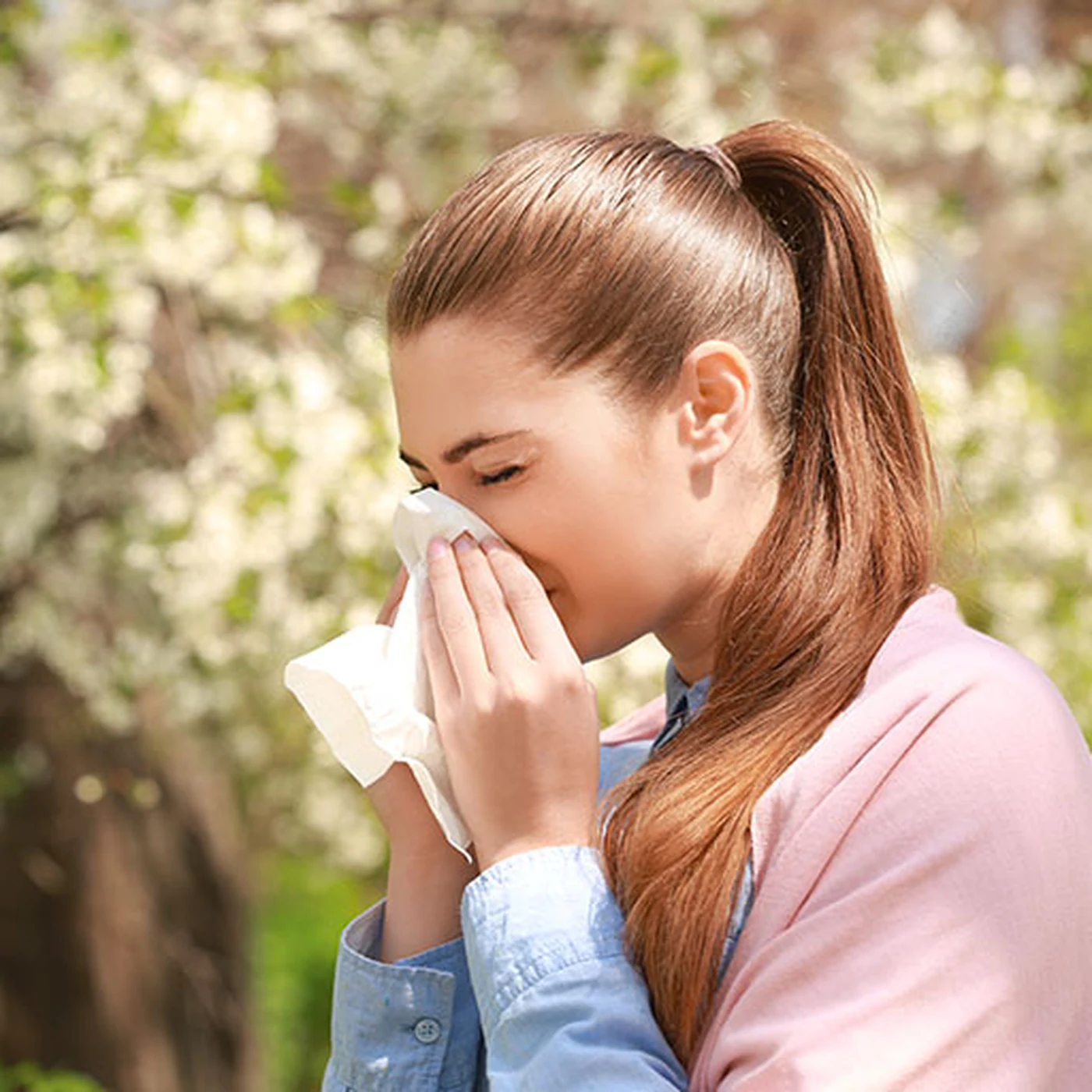
Don’t Let Georgia’s Fall Allergies Ruin Your View
Georgia offers wonderful views and colorful scenery year-round, especially in the fall. However, fall eye allergies could stop you from enjoying the beautiful orange, red, and yellow foliage at its peak.
The state’s mild falls help various pollens bloom for longer, with peak ragweed season in August-October. Luckily, Classic Vision Care can help you stay ahead of these allergies in Kennesaw or Marietta.
Why Do Fall Allergies Affect the Eyes?
These allergies generally work like those from any other season. Plants bloom at set times every year, and if their pollen enters your eye, your immune system may see it as a threat.
To deal with this, the body releases histamines, chemicals that swell up your eye’s blood vessels and make the surrounding areas itchy and red. Pollen is usually the main culprit here — but it’s far from the only thing that causes this reaction.
Here’s what causes allergies in the fall in Georgia:
- Ragweed: Just one of these plants could release billions of grains, making ragweed the biggest fall allergen in the Southeast.
- Mold spores: Outdoor mold thrives on wet leaves and dying plants across the state (especially Atlanta), thanks to its humid climate.
- Other grass pollen: Some grasses (such as Bermuda) don’t stop blooming until early fall, adding to the local allergy season.
- Dust mites: These microscopic creatures don’t cause allergies themselves, but give off proteins that irritate the eyes year-round.
Recognizing the Symptoms of Fall Eye Allergies
Eye allergies manifest roughly the same at any time of year, meaning you should be able to spot the symptoms fairly easily. They all flare up due to the body trying to fight off the “invaders” by bringing in more white blood cells.
Here are the main symptoms of fall eye allergies to watch out for:
- Itching: This is usually the biggest sign of an allergic reaction; try not to rub your eyes, as this can simply irritate them further.
- Redness: Swollen blood vessels can make the eyes themselves look red — an ice pack or eye drops usually helps here.
- Swelling: Your eyelids might appear puffy, especially when you wake up; a cold pack again helps reduce the inflammation.
- Watery eyes: Your eyes will try to flush out the allergens. Be careful if you wear contacts, as allergens may stick to them.
- Dry eyes: On the other hand, allergies can also slow your eyes’ natural tear production or even harm your delicate tear film.
- Burning: In some cases, you’ll feel a stinging, burning sensation. As with the itching, rubbing your eyes makes it worse.
You might also feel a general burning sensation or a sensitivity to light. Symptoms usually affect both eyes at once. They mainly happen alongside runny noses and nasal congestion, and are worse on dry, windy days.
Irritation vs. Allergies
Some people don’t even know they’re vulnerable to fall allergies and assume any symptoms are normal irritation instead. They may have no idea that allergies can cause dry eyes.
However, the symptoms usually manifest quite differently, depending on the cause. For example, normal itchiness is more stinging or “gritty”, while it’s usually more intense and persistent with allergies.
Most importantly, however, these allergies usually don’t just affect the eye. They’re just as likely to affect your nose or cause a sore throat.
In addition, allergies affect both your eyes from the start, while many infections or irritations begin in one eye.
Simple Steps for At-Home Relief
There are plenty of ways you can manage your eye allergies without resorting to professional care. Even something as simple as wearing glasses or getting an ice pack helps — with this in mind, here are four ways to help your allergies.
Environmental Controls
Make sure you keep your home and car windows closed; otherwise, pollen could seep in. At the very least, check the pollen count first.
Use your AC to control your home’s humidity and deal with mold or spores — but remember to change its filters monthly during peak season.
Protective Habits
Staying inside where possible lets you avoid the pollen entirely, but a pollen mask and wraparound sunglasses (prescription or otherwise) are sure to help.
Once you’re back indoors, shower and change your clothes. Otherwise, the pollen may stick to you, and you could breathe it in all day.
Hygiene
Along similar lines, wash your hands before touching your face or eyes; you must also wash your bedding weekly to prevent allergens from building up.
Don’t touch or rub your eyes if you spot eye allergy symptoms, and never scratch them, as this always does more harm than good.
At-Home Treatments
Ice packs can soothe most common symptoms, including swelling, redness, and burning. Fish oil, flax oil, or vitamin supplements also soothe dry eyes.
Eye drops, especially artificial tears, are also available over the counter. These lubricate the eyes, and you can get stronger versions by talking to a professional.
When It’s Time to See an Eye Doctor
If self-care isn’t helping, you may need to speak to an optometrist or another eye expert. You also might not even be sure if it’s an allergy, or if it’s (for example) pink eye that has already spread to both eyes.
Only an eye exam can conclusively show what the problem is. Knowing this helps you get the right medication. For example, it can show if you need antihistamines or antibiotic eye drops.
In addition, you should go to an eye doctor if your symptoms get generally worse or you notice any of the following:
- Intense itching and redness that drops aren’t helping with
- Blurred vision or sensitivity to light that doesn’t go away
- Any yellow/green discharge could be a serious infection
- If one eye gets better, but the other’s symptoms remain
- Severe swelling across the face, not just around the eyes
Remember, optometrists can prescribe specialist medications if the standard over-the-counter options aren’t addressing the problem.
Get Lasting Relief at Classic Vision Care
Classic Vision Care helps anyone in Kennesaw or East Cobb with fall eye allergies. We can provide protective eyewear, carry out eye exams, or even prescribe the best available medications.
A single eye test could be all it takes to figure out what you need to stay ahead of your allergies. Book Appointment with Classic Vision Care to learn more.